You can sometimes wrap a car with scratches, but the paint needs inspection first. Vinyl changes the car’s appearance. It doesn’t repair scratches, fill paint chips, or restore damaged clear coat.
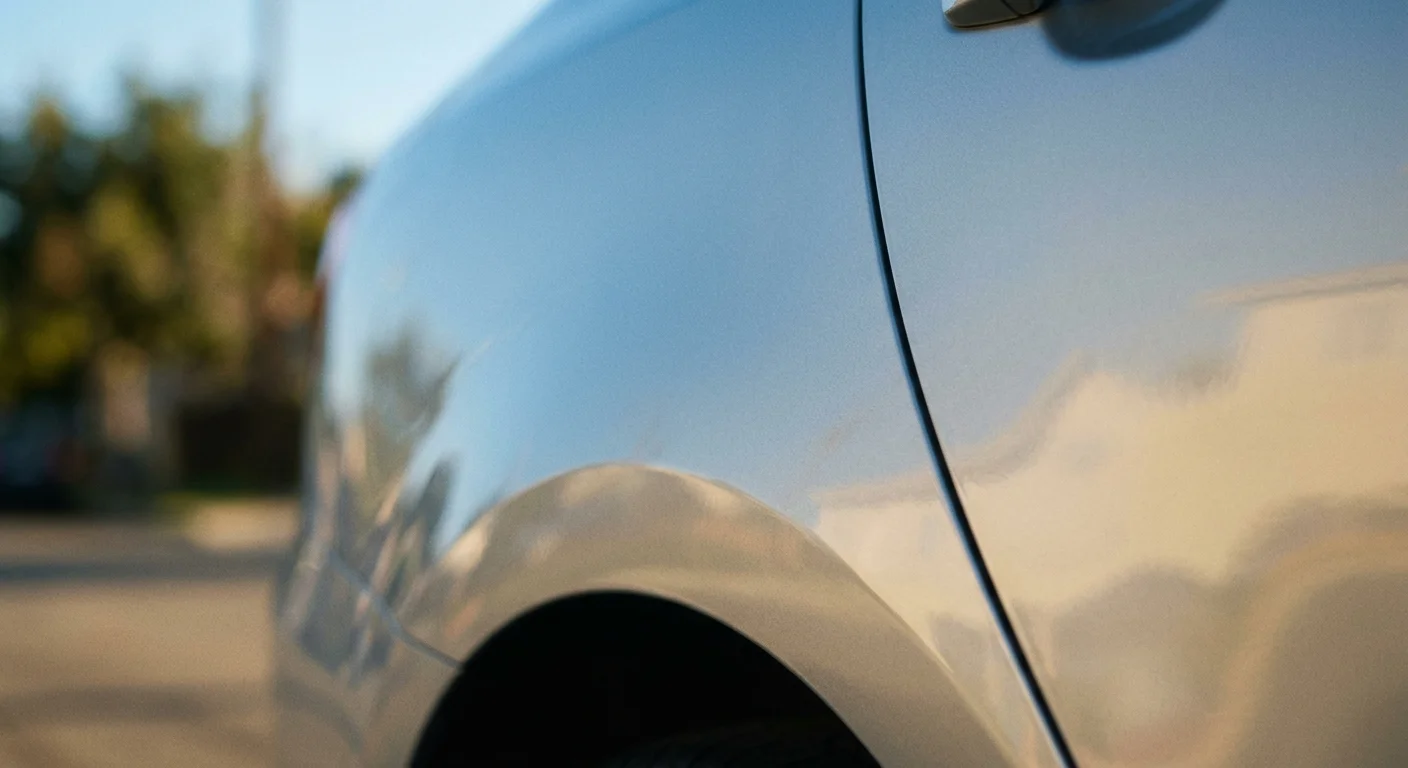
The right starting point depends on what’s damaged and how firmly the remaining paint is attached. A wrap installer should inspect the panel before recommending preparation, paint repair, or a different plan.
Why wrap doesn’t erase the condition underneath
A color-change wrap sits over the existing exterior surface. That means the surface beneath it still matters. The wrap may change the color, but it doesn’t make the underlying damage disappear.
A faint scratch and a missing piece of paint aren’t equivalent. Neither is a dull patch of clear coat. Each creates a different starting surface for the installer. Texture, loose edges, and unstable paint can all affect the finished result.
It’s safer to treat vinyl as a finish, not a repair material. Don’t assume the film will fill a groove or create a factory-smooth panel. The installer needs to examine the scratch from several angles and feel the area carefully. That inspection helps determine whether preparation is enough.
This distinction matters on San Diego daily drivers. A car used around I-5, I-805, or State Route 52 can collect several kinds of exterior wear. One panel may have light wash marks, while another has chips or old bodywork. The wrap plan should follow the actual condition of each panel.
A professional-grade wrap is removable and protects the paint beneath it. However, the quality of the outcome depends on the paint’s condition. Wrap adhesion can lift failing clear coat. That’s why an installer shouldn’t quote from the vehicle model alone.
If you’re considering a full color change, review how vinyl wrap and color change works. A good consultation separates cosmetic marks from paint problems that could affect the installation.
How shallow scratches and paint chips differ
Shallow scratches usually leave the paint system largely present. Paint chips involve missing material. That difference changes what the installer sees and what may need attention before wrapping.
A light mark may sit near the surface. A deeper scratch can pass through the clear coat or color layer. You can’t reliably judge that depth from a shadowy phone photo. Bright reflections, dust, and residue can make a minor mark look severe. They can also hide damage.
A chip creates an edge between the remaining finish and the exposed spot. Wrapping over that area doesn’t replace the missing paint. The panel may still have a visible or touchable change beneath the vinyl. The installer should explain the expected appearance instead of promising concealment.
Start by identifying the damage, not choosing the film. Our guide to which scratches may buff out explains why some marks are candidates for correction while others aren’t. A pro should make that call after seeing the paint.
Chips also deserve their own assessment. San Diego drivers often notice them while preparing for a wrap, especially on the hood, bumper, or mirror area. The article on rock chips in car paint covers the questions to ask before choosing a treatment.
Avoid grouping every defect under “scratches.” Show the installer each damaged area and mention any known repainting or bodywork. Photos can begin the conversation, but an in-person look gives the pro better information about depth, edges, and stability.
When correction or paint repair may come first
Paint correction and paint repair solve different problems. Correction may fit certain surface defects. Missing, cracked, or unstable paint may require a different repair path. The matched pro should decide what applies after inspecting the vehicle.
The goal isn’t to make every older car perfect. It’s to establish a suitable surface and set an honest expectation for the wrap. A shallow mark that can be addressed without repainting presents a different decision from a chip with loose edges.
Ask the installer to divide the findings into three groups:
- Areas that only need normal wrap preparation.
- Areas that may benefit from paint correction.
- Areas that need paint or body repair before wrapping.
That breakdown makes the quote easier to understand. It also prevents a broad recommendation from hiding one problem panel. A roof with stable paint may be ready while a hood needs separate attention.
If correction is recommended, ask what defect the process is intended to address. Don’t treat correction as a general answer for chipped paint. The service works on the existing finish. It doesn’t replace paint that’s already missing.
Paint repair may also affect the project sequence. The wrap installer and repair professional should agree that the repaired surface is ready before film is applied. Don’t choose a schedule based on an unsupported promise. The relevant pros need to confirm the preparation and timing for that vehicle.
Owners deciding between more extensive paintwork and vinyl should read color-change wrap versus repaint. The better choice depends on the desired finish, existing paint, and each pro’s inspection. A wrap shouldn’t be treated as a shortcut around paint failure.
What damaged clear coat can change
Clear coat condition is one of the most important parts of the inspection. Vinyl wrap outcome depends on paint condition, and failing clear coat can lift during adhesion or later removal.
Damage isn’t always obvious from several feet away. A panel may look merely faded until the installer studies its edges and reflections. Peeling, flaking, or unstable areas call for more caution than ordinary surface marks.
Don’t scrape, pick, or aggressively test a questionable spot yourself. That can change the condition before the installer sees it. Point out the area and explain when you first noticed it. If a panel was previously repainted, share that information too.
A wrap installer should explain whether the concern is limited to one panel or appears elsewhere. The hood and roof may not match the doors. Likewise, one repaired quarter panel may behave differently from the surrounding factory finish. The inspection should follow the car panel by panel.
Location alone doesn’t determine readiness. A vehicle parked near the coast in Carlsbad still needs the same physical inspection as one kept inland near El Cajon. The actual finish matters more than assumptions based on a ZIP code.
Wraps are removable, but that doesn’t mean removal is risk-free for every paint condition. Failing clear coat is the specific concern. Ask the installer to document any questionable areas before work begins.
The installer should also confirm the film warranty in writing. If you have a separate concern about the vehicle manufacturer’s warranty, the FTC explains aftermarket warranty protections. A manufacturer generally can’t void a warranty merely because an aftermarket product was used, absent a showing that it caused the failure. Any specific dispute remains fact-dependent.
What the installer should inspect before quoting
A useful quote starts with the paint, not just the year and model. Vehicle size and wrap scope matter, but visible and hidden surface concerns can change the preparation plan.
The installer should inspect every panel included in the color change. That includes panel edges, repaired sections, chips, scratches, and areas where the clear coat looks unstable. Trim and factory brightwork also matter when the requested scope includes a chrome delete.
Bring the car in a condition that allows a clear inspection. Ask the installer how they want it presented. Don’t apply a temporary product to hide scratches before the appointment. The pro needs to see the actual surface.
Before accepting a quote, get clear answers to these points:
- Which scratches can remain without affecting the expected finish?
- Which areas may need correction first?
- Does any chipped paint need separate repair?
- Is there clear coat that may lift?
- Which panels have evidence of prior paintwork?
- What preparation is included in the written scope?
- What result should you expect around existing texture?
- What does the written film warranty cover?
- Who handles any recommended correction or repair?
The installer should confirm the written price after defining that scope. Don’t compare two quotes until you know whether they include the same preparation and panel coverage. One may assume the paint is ready. Another may account for problem areas discovered during inspection.
Tell the pro how the car is used and stored. Mention regular freeway travel, outdoor parking, and known collision or paint history. Whether the car spends most days in Chula Vista, Oceanside, City Heights, or Poway, those details give context. They don’t replace the panel inspection.
Paint Shield SD matches owners with vetted, insured independent local pros. The car owner contracts with and pays the selected pro directly. That pro inspects the paint, recommends the work, and confirms the final scope.
When to call us
Call when scratches, chips, or questionable clear coat make a color-change decision uncertain. A professional vinyl wrap pro can inspect the finish and explain whether correction or repair should come first.
Call us at (760) 400-6557 and we’ll connect you with a vetted, insured local pro.