For window tinting in Santee, compare more than film darkness. Heat control, glare, window position, and California rules can change the right choice. A written quote should also identify the film and every covered window.
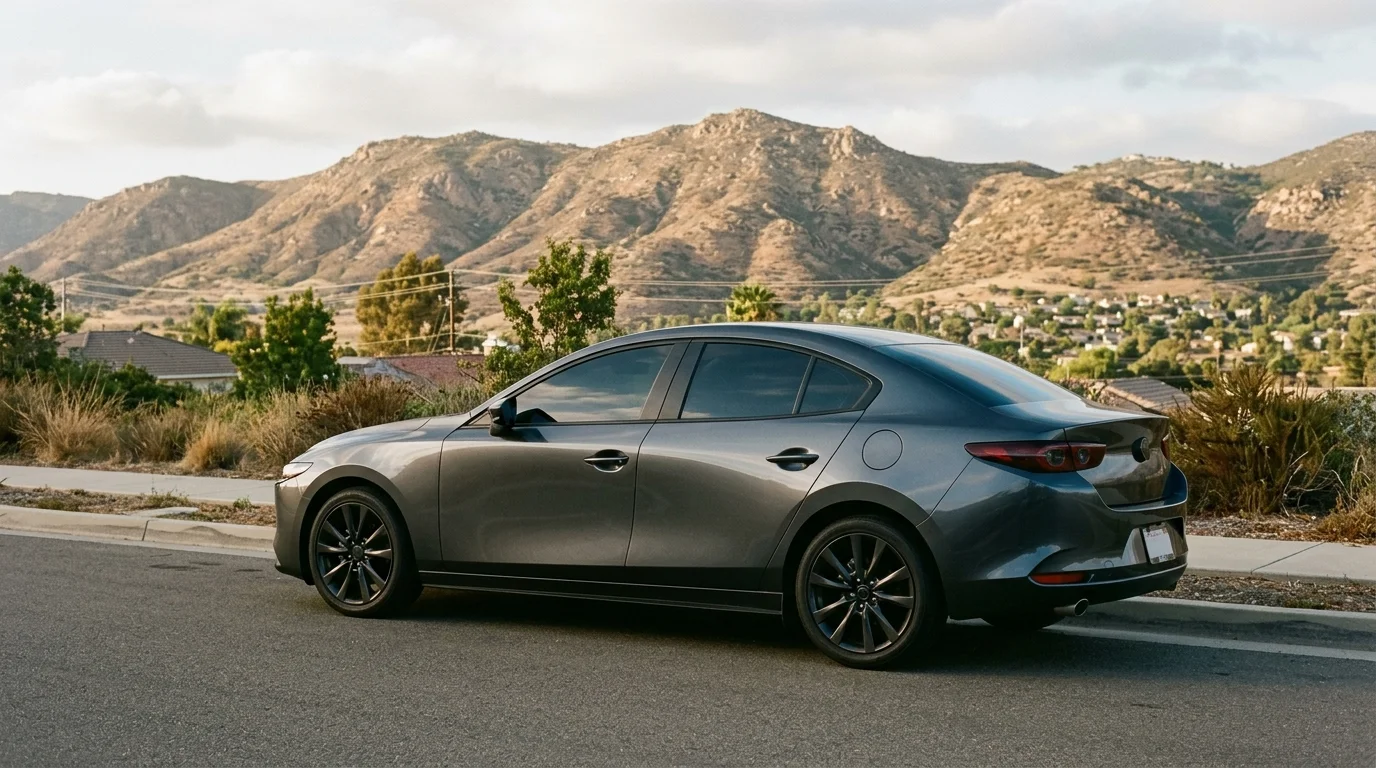
Why Santee driving and parking change tint priorities
Santee’s inland setting puts cabin comfort high on the list. A car parked outside can collect heat while you’re at home, work, or running errands. That makes heat control worth comparing separately from appearance.
Your regular route matters too. Drivers using State Route 52 may spend long stretches facing direct sunlight. Mission Gorge Road adds frequent changes in direction and sun angle. Glare can feel different across those trips, even when the film looks identical from outside.
Start by describing where the car spends most of its day. Tell the installer whether it sits outside or under cover. Mention your usual driving times and whether glare bothers you from the side. Those details give the pro a better basis for discussing film options.
Vehicle shape also affects the decision. A sedan, crossover, and large SUV don’t have the same glass area. Rear passengers may have different comfort needs than the driver. Cargo-area glass can also affect how the finished vehicle looks.
Don’t choose film from a parking-lot appearance alone. View samples from inside the car and through different windows. A shade that feels comfortable through a rear window may feel too dark elsewhere.
Tint can also be one part of a broader protection plan. Our Santee vehicle protection page explains how local owners can compare other exterior services. Paint Shield SD matches car owners with independent local pros. It doesn’t install tint or perform physical work.
How darkness, heat rejection, and glare differ
Darkness describes how much visible light passes through the film. It doesn’t tell you everything about heat control or glare. Two samples can look similar while using different film constructions.
Ask the installer to separate three decisions:
- How light or dark the glass should appear
- How much glare control you want
- Which film construction fits your heat-control priorities
This keeps appearance from deciding the entire purchase. If reducing interior heat matters most, say that early. The installer can explain the available professional-grade film tiers without relying on a darker look alone.
Ceramic film avoids the signal interference that metalized films can cause. That may matter if you regularly depend on phone reception, navigation, or other wireless connections. Ask the pro to explain the construction of the proposed film in plain language.
Be careful with percentage claims in sales materials. Paint Shield SD doesn’t publish unverified heat-rejection or UV-blocking figures. Ask for the product documentation behind any specific performance number. The installer should also explain how that figure relates to your actual window package.
Look through samples from both inside and outside. Check them against bright daylight and shaded conditions. Pay attention to side visibility, mirror use, and reflections inside the glass. Your preference may change once you stop judging the film from one angle.
Our window tinting service guide explains the matching process and the main benefits of professional tint. Those benefits stay qualitative: tint can cut UV exposure while reducing interior heat and glare. The right balance still depends on your vehicle, window position, and driving habits.
What California rules require you to verify
California window-tint rules depend on the window’s position. Don’t treat one darkness number as approval for the whole vehicle. The controlling rules appear in California Vehicle Code 26708.
For front side windows, CVC 26708(d) says aftermarket film must have at least 88 percent visible light transmittance. The glazing and applied film must also meet the 70 percent minimum light-transmittance standard in FMVSS 205.
The rear window may be tinted only when the vehicle has outside mirrors on both sides. Those mirrors must give the driver a view at least 200 feet behind the vehicle. Side windows behind the driver are exempt from the statute’s obstruction prohibition.
Windshield material follows another rule. Transparent material is allowed only on the topmost portion. Its bottom edge must sit at least 29 inches above the undepressed driver’s seat. The statute doesn’t describe this as a four-inch strip.
You can review the California Legislature’s current Vehicle Code text before booking. Our separate guide to California window-tint law in San Diego puts these verified provisions into a practical checklist.
Don’t ask a shop to declare that a film is simply “legal.” Ask for the proposed film transmittance and the exact window location. Then compare those details with the current statute. Rules can change, and vehicle-specific conditions may affect the answer.
Automotive tint isn’t a California contractor-license trade. A CSLB number isn’t the right way to screen a tint installer. Focus instead on whether the independent pro is vetted, insured, and willing to document the proposed installation.
How to compare film and installer details
Compare written scopes, not broad package names. Each quote should identify the windows being covered. It should also state the film construction, proposed visible light transmittance, removal work, and total written price.
That detail matters when one quote includes rear glass and another doesn’t. Existing film can also change the work involved. Ask whether removal is included and how the installer handles damaged or failing old film.
Approved San Diego market ranges on this site place tint between $300 and $700. Sedans typically fall between $300 and $500. SUVs typically fall between $400 and $700. These are broad market ranges, not a quote. Your installer confirms the written price for your vehicle and scope.
Film warranties can vary. Paint Shield SD doesn’t provide or set them. Ask your installer to confirm the film warranty in writing. The document should identify who handles a claim and what conditions apply.
Discuss the finished edges and visible glass area before work begins. Ask how the installer approaches windows with tight seals, curves, or existing damage. If a window has scratches or a damaged seal, get that condition documented first.
The installation setting is another useful comparison point. Ask where the work takes place and how the space is kept clean. You can also ask when the windows may be operated and what care instructions apply afterward. The pro should confirm those details for the selected film.
If you’re considering other protection work, decide how the appointments fit together. Our guide to window tint and ceramic coating together explains how to plan both services without confusing their separate purposes.
What to ask before booking
A short list of direct questions can expose major differences between quotes. Send the same vehicle details and questions to each installer. That gives you a fair comparison.
Ask these questions before choosing:
- Which windows are included in the written quote?
- What film construction are you proposing?
- What visible light transmittance applies to each window?
- How does the proposal address CVC 26708?
- Is old-film removal included or priced separately?
- What preparation does my existing glass need?
- Where will the installation take place?
- What care instructions follow the installation?
- Who provides the film warranty?
- Will you put the warranty terms in writing?
- What is the complete written price for this vehicle?
- Are you insured for the work being proposed?
Bring clear photos if the car already has tint. Include every side, plus the windshield and rear glass. Tell the pro if any film is peeling, bubbling, scratched, or changing color. Photos help define the scope, but the installer may still need to inspect the vehicle.
Don’t hide your main priority. Say whether you care most about cabin heat, glare, appearance, privacy, or matching existing rear glass. The answer affects which samples deserve your attention.
Before paying, confirm that the final paperwork matches the discussion. It should list the vehicle, covered windows, film details, written price, and warranty terms. Keep a copy with your other vehicle records.
Paint Shield SD can match you with a vetted, insured independent pro. You contract with and pay that pro directly. The installer remains responsible for confirming the film, scope, schedule, and written price.
When to call us
Call when you need help comparing tint with ceramic coating or paint protection film for the same vehicle. A professional can inspect the car and confirm which services fit your goals. Call us at (760) 400-6557 and we’ll connect you with a vetted, insured local pro.