Choosing full body PPF for a leased car requires more than comparing coverage. You also need to consider the signed lease, current paint, driving plans, and return process. The right answer depends on what you’ll gain during the time you have the car.
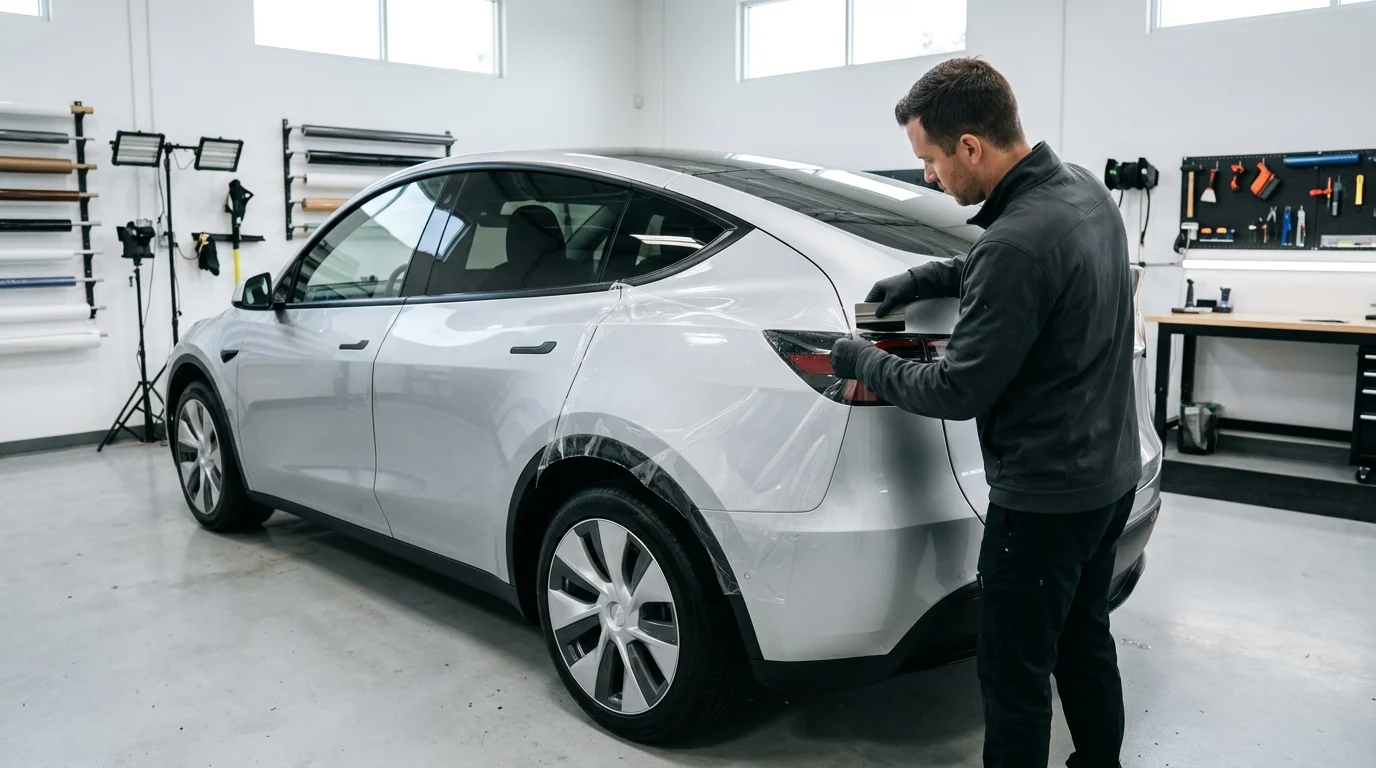
Start with the lease terms and planned ownership period
Start with the document that controls the agreement. We couldn’t confirm one film rule that applies to every leasing company. Check your signed lease, then ask the leasing company for written guidance about paint protection film.
Look for language covering alterations, exterior condition, added products, and vehicle return. If the wording doesn’t mention film, don’t guess. Ask whether PPF may remain at turn-in or must be removed. Also ask whether removal needs documentation or advance approval.
Your expected time with the car matters too. Someone early in a lease faces a different decision from someone approaching return. A driver considering a purchase option may also value coverage differently. Don’t assume that an expected purchase changes your current lease obligations. The signed agreement still deserves a careful reading.
Put your actual San Diego driving routine on paper:
- Regular I-5 commuting between Chula Vista and central San Diego
- Daily I-15 travel through inland North County
- Frequent SR-78 trips between Oceanside and Escondido
- I-8 driving between the city and East County
- Outdoor parking, garage parking, or changing parking arrangements
These details help define what you want protected and for how long. They also make an installer consultation more useful.
Compare that expected benefit with the remaining lease period and written return requirements. If either remains unclear, pause before authorizing work. A verbal answer may be useful, but written guidance gives you something concrete to review later.
What full-body coverage protects compared with partial coverage
Full-body PPF generally means applying film across the car’s painted exterior panels. A partial package limits film to selected areas. The exact panels, edges, trim boundaries, and exclusions should appear in the written installation scope.
That difference matters on a lease because more coverage isn’t automatically the better purchase. You need coverage that fits your driving, parking, budget, and expected time with the vehicle.
A commuter traveling from South Bay to Sorrento Valley may prioritize different panels than someone driving locally in Carlsbad. An El Cajon vehicle kept in a garage may have another use pattern. Discuss those routines before selecting a package by name.
The full-body PPF package page explains the broad coverage option. The main paint protection film service page provides more context about PPF choices. For a direct package comparison, read full-front versus full-body PPF in San Diego.
Ask the installer to mark every covered panel on a diagram. Confirm how they handle badges, sensors, cameras, trim, door handles, and panel edges. Those details help you compare proposals that use similar package names.
Partial coverage may fit when your concern is concentrated in selected areas. Full-body coverage may fit when you want film across the painted exterior. Neither label answers the lease question by itself. The useful comparison is the exact installed scope against your lease period and return plan.
How existing paint condition affects the decision
A leased car’s current paint deserves an inspection before you choose coverage. Don’t treat full-body film as a substitute for documenting existing scratches, chips, stains, repairs, or finish concerns.
Take clear photos before the consultation. Capture each panel in steady lighting, then save close views of anything unusual. These photos give you a reference when discussing preparation, installation, and possible removal. They don’t replace the leasing company’s inspection or its written standards.
Ask the independent installer to separate three items in the proposal:
- The paint condition they observed
- Any preparation they recommend
- The PPF installation itself
If paint correction is suggested, ask why it’s being recommended and which panels it covers. The decision should connect to the car’s condition and your priorities. Our guide to paint correction before PPF provides questions for that conversation.
Don’t authorize vague preparation language. Request a written description of cleaning, correction, touch-up exclusions, and any condition the installer won’t address. If a panel has failing clear coat, previous body work, or another concern, ask how that affects installation and later removal. The installer should assess the actual vehicle.
This step can change the value calculation. You may decide the preparation and coverage make sense for your remaining time. You may instead choose narrower coverage or no installation. For another decision framework, see whether PPF is worth it in San Diego.
What removal and return questions to ask
Don’t assume the leasing company will accept film at return. Don’t assume it will require removal either. We couldn’t confirm a universal rule, so your signed lease and written guidance from the leasing company control this part of the decision.
Ask the leasing company these questions before installation:
- May paint protection film remain on the vehicle at turn-in?
- If removal is required, when should it happen?
- Does the company require any installation or removal records?
- How will existing paint condition be evaluated?
- Who should answer questions before the return inspection?
Next, ask the installer about removal. Request written product, installation, removal, and warranty terms. Find out whether that installer offers removal, how removal would be quoted, and what conditions could affect it. If another business would handle removal, ask what records that business would need.
Keep the lease, written guidance, installation scope, invoice, panel diagram, photos, and warranty terms together. Add photos taken before installation and after any removal. This creates one organized record for later conversations.
A vehicle manufacturer’s warranty is a separate issue. Under the federal Magnuson-Moss Warranty Act, a manufacturer generally cannot void a warranty merely because an aftermarket product was used, absent a showing that the product caused the failure. The Federal Trade Commission is the federal authority for that rule.
That general warranty principle doesn’t tell you what a leasing company will accept at turn-in. It also doesn’t resolve a specific warranty dispute. Check your lease and ask the appropriate company for written direction about your vehicle.
Finally, don’t count on a future installer or leasing representative remembering a conversation. Names, dates, documents, and written answers are more useful than memory when the return date arrives.
How to compare the written installation scope
Package names can hide meaningful differences. Compare written scopes line by line, even when every proposal says “full-body PPF.”
Start with a complete panel list. Confirm whether the quote covers painted bumpers, hood, fenders, doors, roof, quarter panels, trunk or hatch, mirror caps, and painted rocker areas. Don’t assume every surface is included. Ask the installer to identify excluded materials and panels directly.
Then compare the installation details:
- Which edges will be wrapped when panel access allows?
- Where will seams or relief cuts appear?
- Will badges or trim be removed, worked around, or excluded?
- How will existing paint concerns be documented?
- What preparation appears in the quoted scope?
- Who handles later inspection or removal questions?
- What does the written film warranty cover?
- Which charges require approval beyond the quoted work?
Don’t rely on product claims that aren’t written into the proposal. Paint Shield SD is brand-agnostic, so the independent installer should identify the proposed product and confirm its warranty in writing.
PPF services in San Diego carry a broad approved market range of $800 to $8,000. The actual written price depends on the vehicle and selected scope. Your installer confirms that price. Don’t infer a full-body price from a partial package or another vehicle.
Compare the total proposal, not only the final figure. One scope may include preparation that another excludes. Another may cover fewer edges or painted pieces. Ask each installer to revise unclear language before you decide.
Paint Shield SD doesn’t install or remove film. We match car owners with vetted, insured local pros. The owner contracts with and pays the independent pro directly.
When to call us
Call when you need a professional to inspect the paint and provide a written PPF scope. Have your lease questions and desired panel coverage ready for the consultation. Call us at (760) 400-6557 and we’ll connect you with a vetted, insured local pro.