You don’t always need paint correction before PPF. You should consider it when visible swirls, haze, stains, or polishing marks would bother you beneath the film. The right choice depends on the paint’s current condition and your expectations.
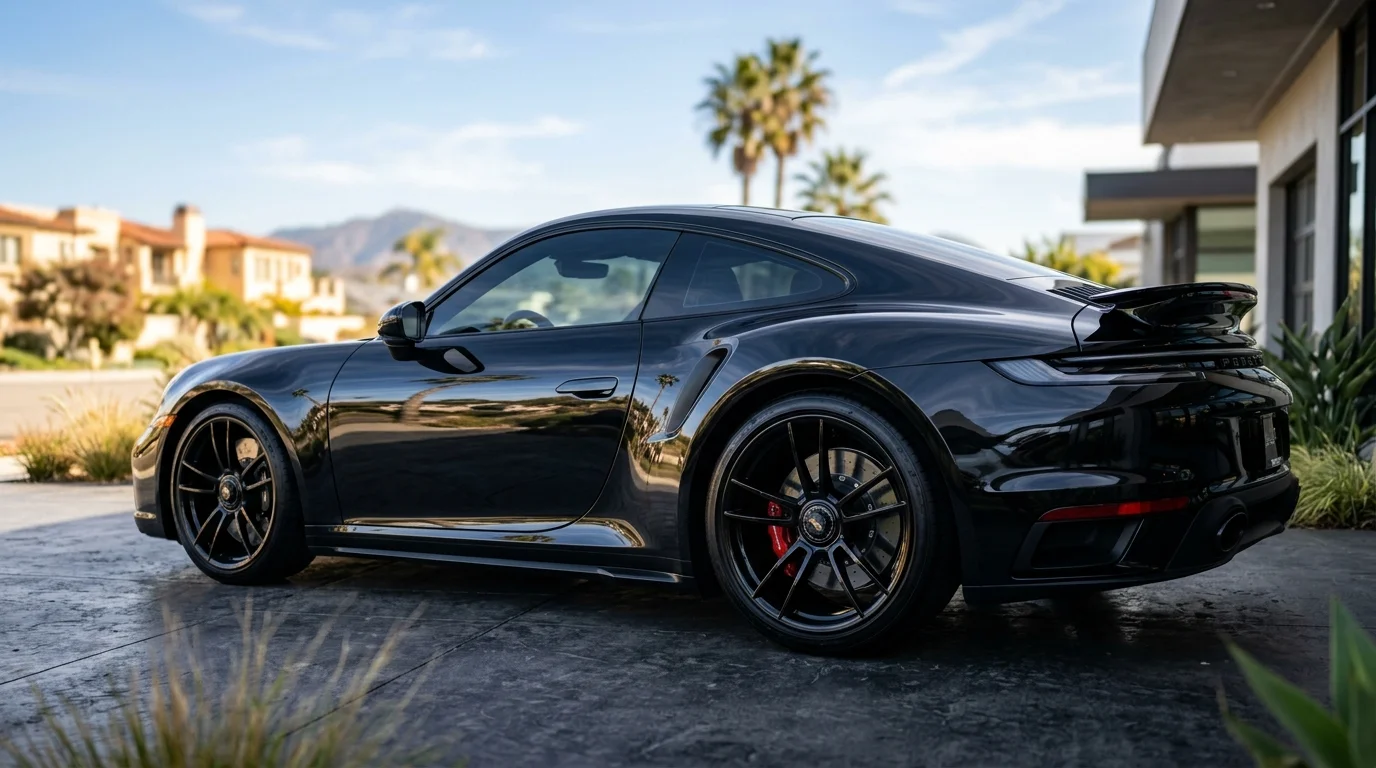
Film magnifies whatever is under it
PPF doesn’t repair paint. It covers the prepared surface and follows its existing contours. Scratches, chips, sanding marks, and uneven paint remain underneath unless they’re addressed first.
“Magnifies” doesn’t mean the film works like a magnifying glass. It means a clean, glossy surface can draw attention to defects that were already present. Some flaws become less distracting after installation. Others remain clearly visible from the driver’s seat or under direct light.
That distinction matters because PPF preparation and paint correction solve different problems. Preparation removes dirt and surface contamination so the film can be installed. Correction uses polishing to improve eligible defects in the paint or clear coat. One doesn’t automatically include the other.
A proper inspection should happen under focused lighting after the vehicle is washed. Bright San Diego sun can reveal defects outdoors, but glare can also hide them. Indoor inspection lighting gives the pro another view of the finish.
Look closely at the hood, bumper, mirror caps, and front fenders. These are common coverage areas for paint protection film. Check around badges, body lines, and panel edges too. Previous polishing work may look different across those areas.
Tell the installer which flaws actually bother you. A faint mark visible only from inches away may not justify added correction. A cloudy hood or obvious wash marks may change the entire plan. The goal isn’t automatic perfection. It’s a finish you’ll be comfortable seeing beneath the film.
Why the answer differs for a new car and a three-year-old one
A new car isn’t automatically free of paint defects. Storage, transport, washing, dealer preparation, and time outdoors can affect its appearance before delivery. The build date or odometer can’t replace a direct inspection.
Start with the paint, not the model year. View each planned PPF panel from several angles. Look for circular wash marks, straight scratches, dull patches, water spotting, chips, and leftover adhesive. Ask the pro which marks can be improved and which ones will remain.
A three-year-old car needs the same condition-based approach. Its finish may show regular washing and freeway use, or it may be remarkably clean. Age alone doesn’t tell you how much correction it needs.
Local use can shape the inspection. A car parked near the coast in Oceanside or La Jolla may need a different cleaning assessment than one kept in an El Cajon garage. Regular travel on I-5, I-805, or State Route 94 can also put the front panels in direct contact with road debris. Those details help the pro inspect the right areas. They don’t predetermine the correction package.
The decision also changes with coverage. A small application may expose differences between covered and uncovered paint. Wider coverage gives the installer more panels to inspect before work begins. Color, finish, prior body work, and your viewing standards also matter.
If the car is newly delivered, review the new car protection process before choosing a package. Don’t approve correction based only on the word “new.” Approve it because the inspection found specific defects you want improved.
How much correction is enough before film
Enough correction means the paint meets the agreed visual goal before film is applied. That goal can range from removing a few distracting marks to improving a larger group of eligible defects. It shouldn’t be an open-ended promise of flawless paint.
Begin by separating defects into three groups:
- Marks the pro expects polishing to improve
- Damage that may remain visible after polishing
- Areas needing a different repair before PPF is considered
This keeps the estimate tied to visible conditions. It also prevents “paint correction” from becoming a vague line item without a defined result.
Ask the pro to document the planned panels. A full hood may need a different approach than a bumper or mirror cap. If only the front end will receive film, you may choose targeted correction there. If the whole vehicle needs appearance work, ask whether uncovered panels should be handled during the same appointment.
Lighting and color affect your expectations. Dark paint often makes wash marks easier to notice. Metallic finishes can look different as the viewing angle changes. Glossy and matte finishes also need separate planning. Your installer should identify the surface before recommending any polishing.
Photos help start the conversation, but they can hide shallow defects. Reflections, dust, and phone processing can change what the paint looks like. The final correction scope should follow the pro’s direct inspection.
Ask what “finished” means before approving the job. Will the correction focus only on covered panels? Which defects may remain? How will the car be inspected before film goes down? These answers matter more than a package name.
The same principle applies when correction comes before a coating. Our guide to paint correction before ceramic coating explains how appearance goals affect that sequence. PPF has its own installation needs, but both decisions start with honest paint assessment.
What skipping it costs you later
Skipping correction can be reasonable when the paint already meets your expectations. It becomes a problem when you approve film while assuming the installation will erase defects underneath.
The most immediate cost is visual disappointment. A scratch you noticed before installation may still catch your eye afterward. If that mark sits under the film, reaching the paint again may require removing the covered section. The installer must then reassess the surface and discuss new film.
That can mean paying for added labor and material. No fixed amount applies to every vehicle. Coverage, panel shape, film condition, and the required paint work all affect the written quote. Your installer should confirm that price before any change.
There’s also a decision cost. You may have to choose between accepting the visible flaw and redoing part of the job. That choice is easier before installation, while every planned panel is still accessible.
Don’t confuse correction with repairing every kind of damage. Polishing won’t replace missing paint. Deep damage, failing paint, or prior body work may require a different response. The pro should explain what can be improved without promising that every mark will disappear.
A clear pre-installation record reduces confusion. Ask for notes or photos showing existing chips, scratches, stains, and repainted areas. Confirm which defects will be addressed and which will remain. Then inspect the corrected paint before film is applied.
If you’re comfortable with the current finish, say so. Correction shouldn’t be added from habit. If one specific mark bothers you, identify it before signing the quote. That simple conversation can prevent an expensive mismatch between your expectations and the finished appearance.
Getting correction and film quoted as one job
Request one written scope covering both services, even if the quote lists them separately. That makes the sequence, covered panels, correction goal, and film coverage easier to compare.
Your request should identify the vehicle and planned coverage. Include clear photos of the hood, bumper, fenders, mirrors, and any defects you’ve noticed. Mention prior paint work if you know about it. The installer can then explain what still needs an in-person look.
Ask the quote to address these points:
- Which panels receive paint correction
- Which panels receive PPF
- What visible defects the correction targets
- What damage may remain afterward
- Whether surface preparation is separate from correction
- How changes to the scope affect the written price
- What film warranty the installer provides in writing
Don’t assume a PPF package includes polishing. Don’t assume a correction package includes repairs beyond polishing either. Clear definitions let you compare proposals without relying on package names.
Your intended use matters too. A daily drive between Chula Vista and central San Diego may lead you toward front-end coverage. A vehicle mostly kept for local weekend use may support another choice. Tell the pro where the car is parked, how it’s driven, and which panels concern you most. Those details help shape the inspection without forcing a preset package.
If you’re comparing coverage, review the differences between full-front and full-body PPF. Then ask each installer to quote the same correction goal and panel list.
Your car owner’s contract and payment are directly with the independent pro. The pro should confirm the written price and warranty terms. If you’re concerned about a factory warranty, the FTC is the federal authority. A manufacturer generally can’t void a warranty merely because an aftermarket product was used, absent a showing that it caused the failure. Any specific warranty dispute depends on its own facts.
When to call us
Call when paint defects need professional assessment before film coverage is chosen. We’ll match you with a vetted, insured local pro who can inspect the finish and provide a written scope.
Call us at (760) 400-6557 and we’ll connect you with a vetted, insured local pro.