The honest answer
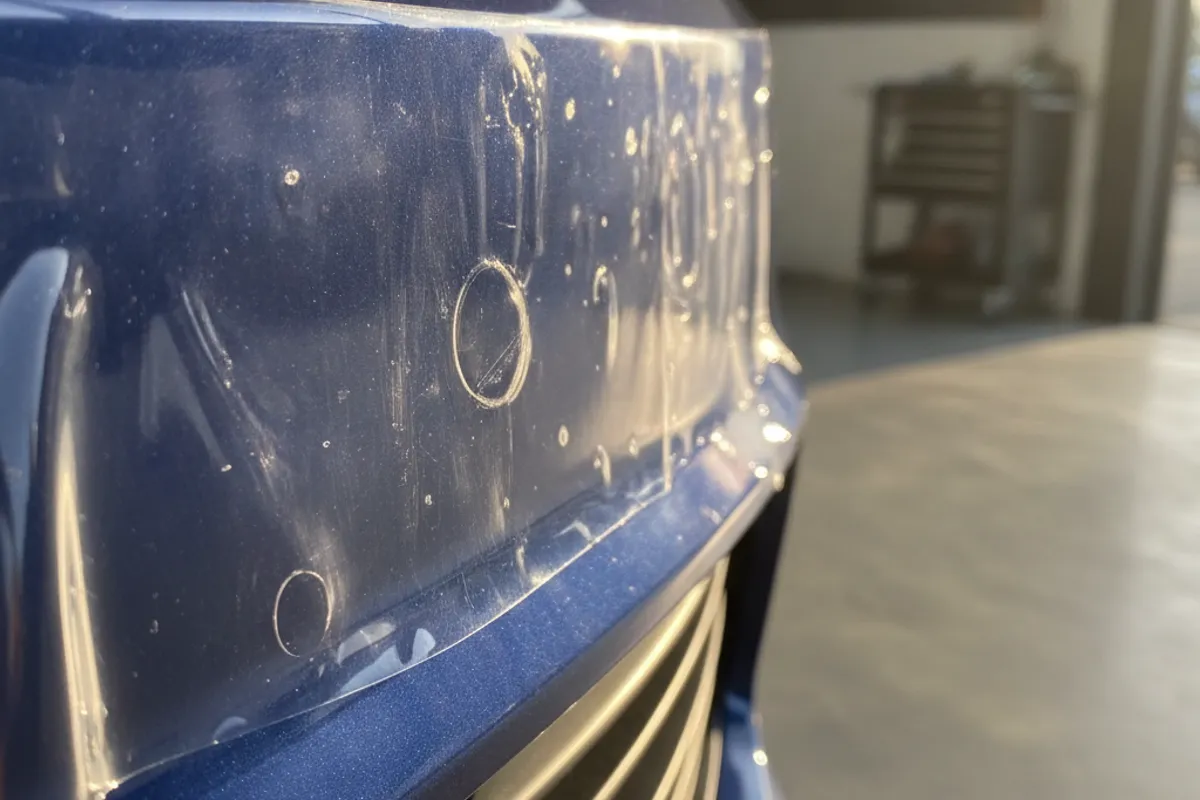
Paint protection film may be worth it when the named panel coverage, vehicle condition, ownership plan, and written price fit what you want to protect. Short ownership or existing paint damage can change that decision, but neither produces one answer for every owner.
The math changes based on how you drive, where you drive, and what your car is worth to you. Here is how to think through it.
What San Diego’s roads actually do to paint
San Diego County has a mix of conditions that are genuinely rough on paint. The 5, 15, 78, 8, and 76 all carry heavy truck traffic in corridors where unpaved shoulders and construction zones generate debris. Rock chips accumulate faster on these freeways than most drivers realize until they look closely under good lighting.
The coastal air adds a different problem. Salt and mineral deposits from the Pacific wind patterns through coastal communities like La Jolla, Del Mar, Point Loma, and Oceanside. Without protection, these deposits etch into clear coat over time, particularly on horizontal surfaces like the hood and roof where they sit and concentrate. Inland drivers in El Cajon and Lakeside trade ocean salt for industrial fallout and heat that accelerates paint oxidation.
None of this is catastrophic on its own. What it adds up to over several unprotected years is paint that needs correction, and on chipped panels sometimes localized refinishing, which is quoted by a body shop rather than by us.
The resale value argument
If resale is part of your decision, ask a dealer, appraiser, or buyer what the current paint condition changes for your specific vehicle. Do not assume the film cost will be recovered.
Full front PPF runs $1,500-$3,000. Whether it pays for itself depends on what refinishing the affected panels would cost on your specific car and color, which is a number to get from a body shop rather than from us. The longer you keep the car, the easier that case is to make.
On a $15,000 commuter car, the math is different. The same front-end film costs the same dollar amount but represents a larger share of the vehicle’s value, and the resale benefit may not recoup it.
The new car argument
A new vehicle can be assessed before it accumulates more wear, but new paint is not automatically defect-free and does not automatically require correction. Approve preparation only for conditions the installer identifies.
Dealers may offer PPF packages at the time of sale. Compare the exact product, panel map, preparation, price, and written warranty with an independent quote before deciding.
Who it is clearly worth it for
Clear cases where PPF pencils out in San Diego:
Vehicles financed or leased and expected to be returned or sold in good condition. Ask the lessor or buyer what paint condition they require, then compare that written standard with a quoted front-end film package. This site does not publish a lease-reconditioning price.
Vehicles whose current front-facing panels already show the kind of wear the owner wants to reduce.
Enthusiast vehicles or daily drivers where the owner genuinely cares about the paint condition and will feel the loss of a chip. PPF is partly a peace-of-mind purchase, and there is no shame in that.
Higher-end vehicles where paint repair is expensive. Blending a panel where metallic or pearl flake has to be matched is skilled hand work, and it is the kind of repair that makes film look cheap in hindsight. Get the per-panel number from a body shop for your specific car and color, because it varies enormously by finish.
Who it is less clearly worth it for
Short-term ownership. Compare the quoted cost with how long you expect to keep the car, without assuming a resale return.
Vehicles with existing paint issues. Ask which defects would remain visible and what preparation, if any, the installer recommends before film. Compare that written scope before deciding.
For details on how PPF and ceramic coating compare and complement each other, see the paint protection film service page. For ceramic coating options, see the ceramic coating service page.
Questions to ask before committing
What product is the installer using, and does it carry a manufacturer-backed warranty in writing? Ask for the named film, the written term, and any maintenance conditions. A shop that cannot name the manufacturer is a red flag.
Is paint correction included in the quote? Any surface defects need to be removed before film goes on. A quote that does not mention prep or inspection should prompt a question.
What is the coverage area? Front-end protection (bumper, hood, fenders, A-pillars, mirrors) is the most common starting point. Full-body adds the door panels, rockers, roof, and trunk. Know exactly what the quote covers.
Frequently asked questions
Is paint protection film worth it in San Diego?
For cars that log freeway miles, generally yes, because the local damage pattern is rock chips on the front end. The case is weaker for a garaged, low-mileage car that rarely leaves surface streets.
How much does PPF cost in San Diego?
Full front typically runs $1,500-$3,000 and full body typically runs $3,000-$8,000, depending on vehicle size, film tier, and how much correction the paint needs first. Your installer confirms the written price.
Does PPF pay for itself?
It can, once the cost of refinishing a panel approaches the price difference between packages. Panel refinishing is quoted by a body shop rather than by us, so get that number for your specific car and color before treating it as the deciding factor.
Does PPF turn yellow?
Film appearance and discoloration claims depend on the quoted product and conditions. Ask for the current product data sheet and what the written warranty says about discoloration.
Can PPF be removed?
Yes, and professional removal on healthy factory paint is the normal case. Failing or previously resprayed paint is the risk case, which is why the installer inspects the paint first.
Where should I put film if I can only cover part of the car?
The front end, because that is where highway debris lands. Full front vs full body PPF breaks down which panels each package includes.
To connect with a vetted PPF installer serving your part of San Diego County, call (760) 400-6557. Paint Shield SD matches car owners with vetted, insured local shops.