A search for “caliper powder coating near me” usually leads to one decision: paint or powder. Compare the process, not a universal winner.
| Question | Caliper paint | Powder coating |
|---|---|---|
| What it is | A liquid finish applied to the prepared caliper | Dry material that is heat-cured |
| Typical access | Can be quoted on-car or with parts removed | Commonly quoted with more handling away from the vehicle |
| Later chips | Often a local cosmetic touch-up path | May need a broader refinish of the finished surface |
| Downtime | Depends on masking, coats, and cure | Depends on removal, bake, and reassembly |
| Mechanical work | Confirm who handles wheels, hardware, and fluid | Confirm who handles removal and reassembly |
Choose from allowed downtime, whether you need later touch-up, and what the written scope actually includes. This page does not assign a lifespan, bake temperature, or price winner to either process.
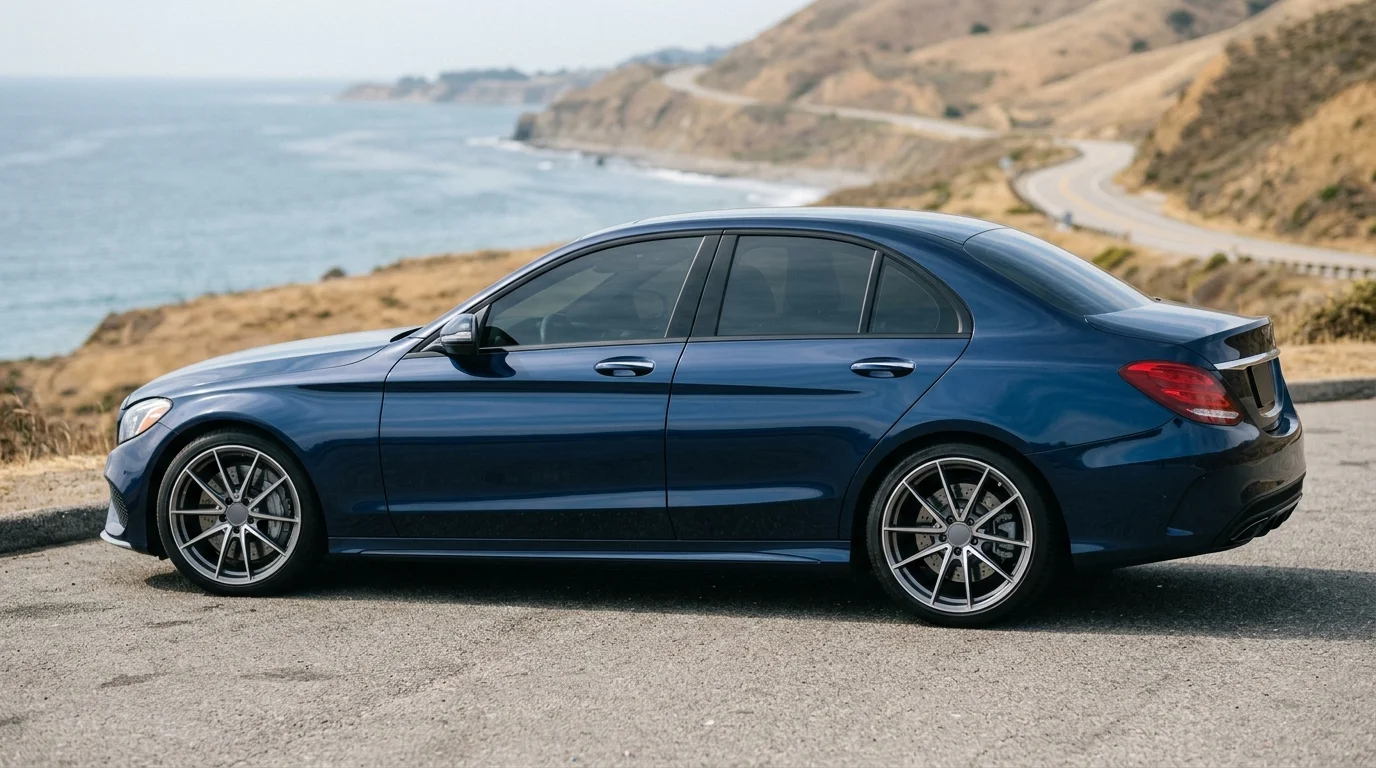
How paint and powder coating differ
Caliper paint begins as a liquid finish. Powder coating starts as dry material and cures under heat. Both can change the caliper’s color and appearance, but they create different project plans.
Paint gives the pro several application options. The exact process depends on the product, caliper condition, and requested finish. Ask whether the quote covers the visible face only or a more complete refinishing job. Those scopes won’t look identical once the wheel is installed.
Powder coating commonly involves more handling away from the vehicle. Don’t assume every “powder-coated caliper” quote includes the same removal, preparation, or reassembly work. Ask the pro to list each included step.
Color choice also deserves more than a quick glance. Bright red, yellow, or blue can become a strong visual feature behind an open-spoke wheel. Black, gray, bronze, and silver usually create a quieter result. Wheel color and spoke spacing will affect how much of that finish remains visible.
Compare actual samples under outdoor light when possible. Workshop lighting can change how gloss, metallic flake, and darker colors appear. A finish that looks subtle indoors may stand out beside a polished wheel.
Paint also gives a pro a different path for later cosmetic correction. Powder coating may require a broader refinishing process when the surface is damaged. Neither choice comes with a universal lifespan or finish warranty. The independent pro should explain those terms in writing.
Our wheel and caliper coating service connects San Diego County drivers with vetted, insured local pros. The matched pro performs the physical work and confirms the proposed finish.
What removal and disassembly can change
Removal can change the price, schedule, and final appearance. It can also determine which surfaces the pro can prepare and coat. That’s why two similar-looking quotes may cover very different work.
Start by asking what “removal” means in that specific estimate. A wheel may be removed while the caliper remains mounted. Another scope may involve taking components off the vehicle for separate finishing. Those aren’t interchangeable descriptions.
Ask who handles each stage when the project involves mechanical work. The finisher may coordinate with another automotive professional, or the customer may need separate arrangements. Get that division of responsibility in writing before the appointment.
The quote should distinguish cosmetic refinishing from mechanical service. Don’t assume seals, hardware, fluid, or related components are included. If the pro recommends replacing or servicing anything, request a separate explanation and written price.
Disassembly can expose more of the caliper for preparation. It also adds steps before the vehicle returns to service. The pro should explain the handoff, the work location, and what must happen before reassembly.
San Diego drivers should also consider transportation during the project. A daily commuter from Chula Vista using I-805 has different needs than a weekend car stored in Encinitas. Don’t rely on an unverified turnaround estimate. Ask the selected pro for the current schedule and pickup terms.
The approved broad market range for wheel and caliper work is $300 to $700. That isn’t a caliper-only price or a promise for a particular process. Vehicle details, finish choice, removal, and project scope can affect the quote. Your installer confirms the written price before work begins.
How heat, chips, and cleaners affect the choice
Calipers sit in a demanding area of the vehicle. The finish must share space with brake dust, road debris, washing chemicals, and changing temperatures. That makes product selection and preparation more important than a color name.
Don’t accept a broad durability promise without written details. This guide couldn’t confirm a universal lifespan for caliper paint or powder coating. The local pro should identify the finish system and explain its care requirements.
Ask how the proposed finish responds to regular cleaning. Some wheel cleaners are stronger than others, and contact time may matter. The pro should provide product-specific maintenance instructions instead of a generic “wash as usual” answer.
Your driving and parking pattern also shapes the conversation. A coastal car near Encinitas or Imperial Beach may need a different cleaning routine than a garage-kept car in El Cajon. Frequent travel on I-5, I-805, or SR-94 can also change how quickly the wheel area collects grime.
Chips should be discussed before choosing the finish. Ask whether small cosmetic damage can be touched up locally. Then ask when the entire visible section would need refinishing. The answer may affect which option fits a daily driver.
Color can influence maintenance expectations too. Pale or bright finishes make dark brake dust easier to notice. A darker finish may hide some residue, but it still needs appropriate care. Gloss level also changes how marks appear under direct sunlight.
Avoid promises such as “permanent” or a fixed number of years. Those claims weren’t verified for this service. Request the maintenance instructions, finish coverage, and exclusions in writing from the independent pro.
How to inspect preparation and masking
Preparation often separates a clean result from a rushed-looking one. You don’t need to perform the work yourself to evaluate the plan. Ask the pro to show what will be cleaned, prepared, protected, and refinished.
Start with the existing caliper condition. Look for peeling material, corrosion, stains, previous coatings, and uneven texture. Ask how those conditions affect the proposed result. Fresh color won’t automatically hide poor surface preparation.
Next, request clear before-work photos. These establish the original condition and help both sides discuss visible flaws. Photos also make it easier to confirm which faces will receive the finish.
Masking deserves specific questions. Ask the pro to identify every surface and component excluded from coating. Then request photos of the prepared and masked assembly before the finish is applied. A careful explanation is more useful than a vague promise that everything will be covered.
Inspect the finish from several angles after the work. View it through the wheel, then look closer with the vehicle parked safely. Check color consistency, finish boundaries, visible texture, and the areas discussed in the quote.
Also compare both sides of the vehicle. Open-spoke wheels can reveal differences that aren’t obvious from one angle. Natural daylight can expose variations hidden by workshop lighting.
If the caliper color coordinates with other appearance work, settle the palette first. Our guide to chrome delete in San Diego explains how trim changes affect the vehicle’s overall look. The San Diego vinyl wrap cost guide also shows why scope must be defined before comparing quotes.
Questions to ask before choosing a finish
A useful estimate should define the result, not just name a coating. Bring the same questions to each San Diego pro. Comparable answers make it easier to understand what each quote includes.
Ask these questions before booking:
- Will the calipers remain mounted, or will any components be removed?
- Who handles removal, reassembly, and related mechanical work?
- What preparation is included for the current surface condition?
- Which visible areas receive the finish?
- Which surfaces and components will be masked or excluded?
- Can I review physical color and gloss samples outdoors?
- What happens if the existing finish is peeling or uneven?
- How should the finished calipers be cleaned?
- Which cleaners should be avoided?
- Can small chips receive a local cosmetic repair?
- What finish coverage or workmanship terms are provided?
- Are those terms included in the written quote?
- What schedule applies to this specific vehicle and scope?
No shop-specific turnaround or finish warranty could be confirmed for this guide. Those terms are set by the independent pro. Confirm them directly before authorizing the work.
If factory warranty concerns affect your decision, request written information for your vehicle and proposed modification. The federal Magnuson-Moss Warranty Act, enforced by the Federal Trade Commission, is the authority behind the rule that a manufacturer generally cannot void a warranty merely because an aftermarket product was used, absent a showing that it caused the failure. That isn’t a promise that your warranty is protected. Causation depends on the specific facts.
When comparing brake caliper painting in San Diego, focus on scope and documentation. A lower quote may cover fewer preparation or removal steps. A higher quote doesn’t prove better work by itself. The written process gives you something meaningful to compare.
When to call us
Call when your caliper finish depends on professional preparation, removal decisions, or coordination with ceramic coating and paint protection film work. The matched independent pro can inspect the vehicle and confirm the finish, scope, care instructions, and written price. Call us at (760) 400-6557 and we’ll connect you with a vetted, insured local pro.