A full vinyl color change in San Diego typically costs $2,500 to $6,500. Partial wraps and chrome delete usually range from $250 to $1,500, depending on scope. Your installer should confirm the final price in a written quote.
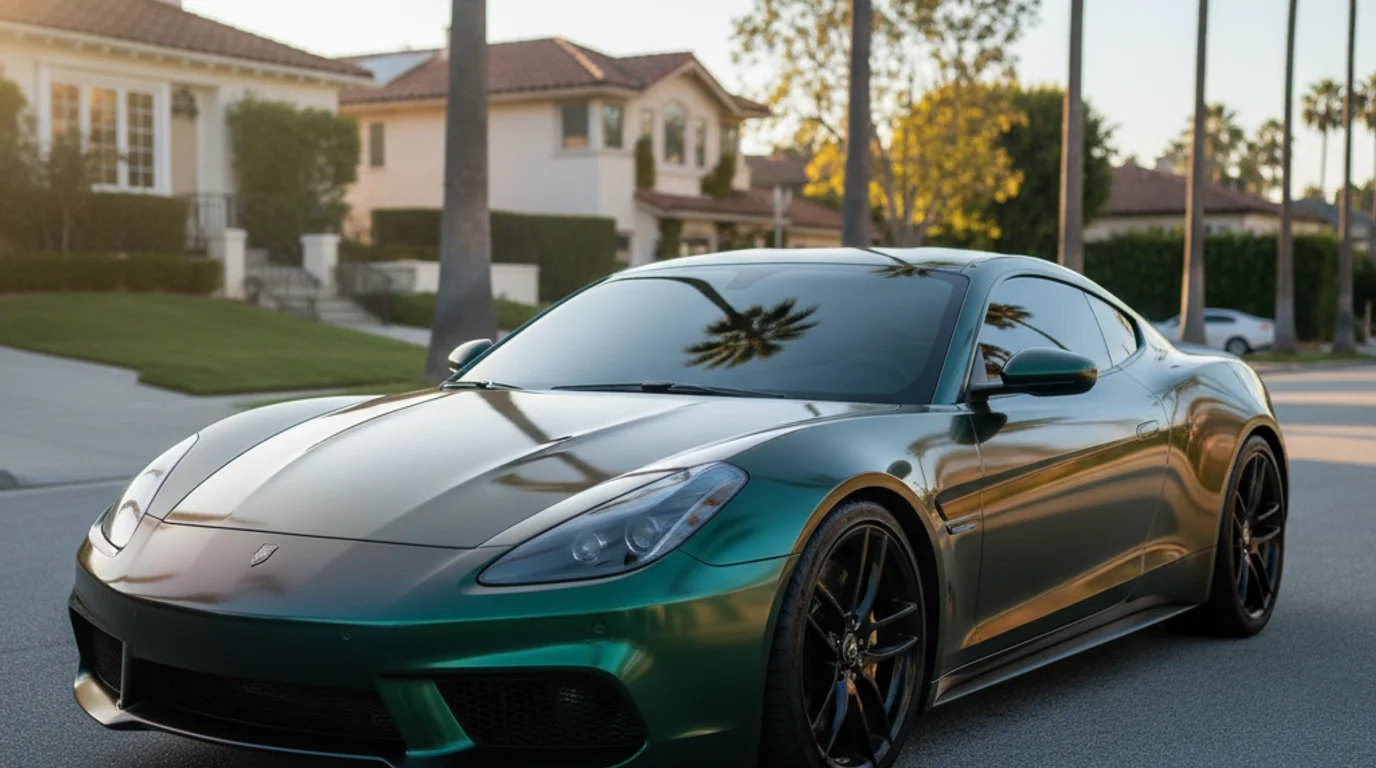
The four things a wrap quote is really pricing
A wrap quote should describe more than a roll of vinyl. It should define the vehicle, the selected film, the required preparation, and the installation scope. Those four pieces explain most differences between written quotes.
First, confirm exactly what will be covered. “Full wrap” can sound clear while leaving several details unanswered. Ask whether the quote covers the roof, bumpers, mirrors, door handles, spoilers, and other exterior pieces. Don’t assume door jambs or hidden painted areas are included.
Second, identify the film and finish. The written quote should describe the selected product tier without relying on vague phrases. Paint Shield SD stays brand-agnostic, so the matched installer should explain the available choices and confirm the film warranty in writing.
Third, make sure the installer has considered the paint. Vinyl can protect the paint beneath, but it needs a suitable surface. Failing clear coat can lift when wrap adhesion is involved. Existing damage may also change the preparation plan.
Fourth, compare the labor scope. Ask what will be removed, what stays in place, and how edges will be finished. Badges, trim, handles, mirrors, and attached accessories can affect that plan. The installer should inspect the vehicle and state the agreed scope.
These details matter whether you’re wrapping a compact commuter in North Park or an SUV used across East County. Start with the same questions when exploring a vinyl wrap and color change. A detailed quote makes the comparison much easier.
Vehicle size and how much film gets wasted
Vehicle size is one of the approved drivers behind the $2,500 to $6,500 full-wrap range. A compact coupe and a three-row SUV don’t present the same amount of painted surface. Trucks, vans, roof racks, spoilers, and body add-ons can change the planned coverage too.
The useful measurement isn’t just vehicle length. Panel shape matters because vinyl must be laid out and cut for each covered area. Not every leftover piece can be reused on another panel. Wide hoods, deep bumpers, curved fenders, and separate trim pieces can affect the material plan.
Ask the installer to identify which areas create the most material use. The answer should relate to your actual vehicle. A quote copied from another model won’t explain those differences.
Coverage choices also matter. A roof-only treatment, stripe package, chrome delete, or selected-panel wrap uses a different scope than a full color change. Partial wraps and chrome delete typically run from $250 to $1,500. Your installer should confirm where your project falls within that broad range.
Vehicle use belongs in the conversation as well. Tell the pro whether the car is an I-5 commuter, a weekend vehicle, or a business vehicle covering South Bay routes. That context helps define the goal and the right coverage. It doesn’t replace an inspection or written quote.
Commercial vehicles need their own planning process. Decals, lettering, and full commercial wraps are quoted by vehicle and fleet size. Our guide to commercial fleet wraps in San Diego explains how that scope differs from a personal color-change project.
Film tier and finish
Film is another approved price variable. A useful quote names the product tier, finish, color, and covered panels. It should also separate the film choice from preparation and installation labor.
Gloss, satin, matte, textured, and other finishes can lead to different quotes. Availability may also vary by the exact color and amount required. Don’t compare two totals until you know whether both installers priced the same finish and coverage.
Color can change how demanding the final appearance feels. A dramatic contrast between the original paint and the chosen wrap may make exposed edges more noticeable. Ask how the installer plans to handle those transitions. The answer should identify what is included, not leave you guessing after booking.
Your installer should confirm the film warranty in writing. Don’t rely on an assumed warranty length or a verbal durability promise. No specific film lifespan is confirmed for this page.
The film warranty and your vehicle’s factory warranty are separate subjects. Under the federal Magnuson-Moss Warranty Act, a manufacturer generally cannot void a warranty merely because an aftermarket product was used, absent a showing that the product caused the failure. The Federal Trade Commission is the authority for that general rule. Any specific dispute depends on its own facts.
Film choice should follow the purpose of the project. Vinyl is commonly chosen for a removable color or appearance change. If you’re also considering paint protection film, ask the installer to explain the products separately. Get the coverage, finish, price, and warranty terms for each option in writing.
Paint condition and disassembly
The installer needs to understand what’s beneath the vinyl. Wraps are removable and protect the paint underneath, but the outcome depends on paint condition. Wrap adhesion can lift failing clear coat, so an inspection matters before pricing.
Tell the pro about peeling clear coat, repainted panels, chips, dents, scratches, or previous wrap material. Don’t assume vinyl will hide every surface issue. The installer should explain which conditions affect adhesion and whether another service is needed first.
Photos can help begin the conversation, but they may not show every paint problem. Reflections can hide clear-coat failure. Dirt can hide chips or rough edges. A close look gives the installer a better basis for the written scope.
Disassembly is another quote variable. Ask which badges, handles, mirrors, trim pieces, lights, or accessories will be removed. Then ask which items will remain installed while the film is fitted around them. Neither approach should be assumed from the total price alone.
The quote should also say whether removal and reinstallation are included. If an accessory creates a coverage limitation, get that limitation in writing. This is especially useful on vehicles with aftermarket spoilers, racks, guards, or exterior attachments.
San Diego vehicles can arrive with very different histories. A coastal daily driver from Encinitas may have different visible wear than a newer garage-kept vehicle in Poway. A work van traveling I-805 may have more existing chips than a weekend car. Those examples don’t determine price by themselves. The vehicle’s actual condition does.
If the paint is intact but the body has dents or dings, ask whether the shape should be addressed before wrapping. Paintless dent repair works when the paint remains intact and the panel is accessible. Cracked paint, stretched metal, and plastic bumper scuffs typically need conventional repair and refinishing instead. Your pro should assess which method fits.
How much does it cost to wrap a car roof?
A roof-only wrap is a partial wrap, not a full color change. Partial wraps and chrome delete typically run $250 to $1,500 by scope. A roof sits in that partial range because it is one panel. The quote still depends on film, finish, roof racks, sunroofs, antennas, and paint condition. Your installer confirms the written price after seeing the vehicle.
Do not treat a roof wrap as a cheap full wrap. The roof is a large, sun-facing panel. Seams, racks, and glass change the labor. A quote that only names a roll of vinyl has not priced the install.
If you are comparing a roof wrap with a full color change, use the $2,500 to $6,500 full-wrap range for the complete job and the $250 to $1,500 partial range for roof-only or selected-panel work. Those are different scopes. Ask whether the roof quote includes wrapping into the windshield and backlight edges, around a sunroof, and under any racks.
Where the range lands, and what a lowball quote is skipping
For a full color-change wrap, the approved San Diego market range is $2,500 to $6,500. Vehicle size and film help determine where a project lands. Partial wraps and chrome delete typically range from $250 to $1,500 by scope. Your installer confirms the written price.
A lower quote isn’t proof that something has been skipped. It is a reason to compare scope carefully. Put each written quote beside the others and check whether they cover the same vehicle areas, film tier, finish, preparation, and disassembly.
Start with coverage. Does each quote include the roof, bumpers, mirrors, handles, and spoilers? Does one exclude certain accessories? Are exposed edges or color transitions discussed? A total without those answers isn’t ready for a direct comparison.
Next, check paint preparation. The installer should know about clear-coat problems, repainted panels, damage, and previous film. If one quote follows an inspection while another doesn’t, note that difference. Don’t fill the gap with assumptions.
Then compare disassembly. Look for clear language about badges, trim, handles, mirrors, and exterior accessories. Ask who confirms the final plan if inspection reveals something unexpected. The written quote should be revised before added work proceeds.
Finally, review the film and warranty language. The quote should identify the chosen film tier and finish. Your installer should confirm the film warranty in writing. Avoid relying on an unlisted product promise or an assumed warranty period.
The right number depends on a defined job. A downtown compact with a roof wrap isn’t comparable to a full-size SUV receiving a complete color change. A chrome delete in La Mesa isn’t the same project as a commercial van wrap serving Chula Vista and National City.
Send the same photos and questions to each installer. Ask for the covered panels, film selection, preparation, disassembly, exclusions, and written total. That gives you a fair comparison without treating the broad market range as a guaranteed price.
When to call us
Call when you need a full color change, partial wrap, or help comparing vinyl with paint protection film. Paint Shield SD performs no physical work, but we’ll match you with an independent local installer who can inspect the vehicle and confirm the written price.
Call us at (760) 400-6557 and we’ll connect you with a vetted, insured local pro.