How to choose a ceramic coating grade
Not every ceramic coating is the same, and the grade that makes sense depends on your vehicle, where it lives, and how you plan to maintain it. Here is how to think through the decision without getting lost in product marketing.
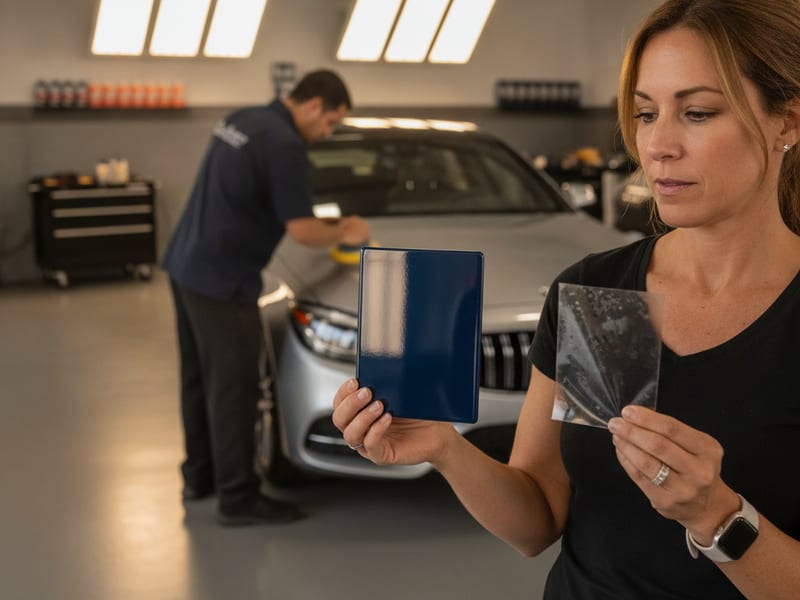
What you'll learn
- How to compare coating packages beyond their market labels
- Why a hardness label alone does not prove real-world protection
- How to compare preparation and application scope alongside the product
- Why price per bottle is not a useful way to compare coating products
Step by step
- Compare what each package actually includes. Consumer, enthusiast, and professional are market labels, not a shared performance standard. Compare the named product, preparation, application scope, care instructions, and written warranty. A label alone does not establish a lifespan or the amount of correction included.
- Do not treat hardness marketing as a damage guarantee. A hardness label alone does not show how a coating will handle your driving and washing conditions. Ask for the test method and product documentation. Ceramic coating does not substitute for PPF when the task is physical chip protection, and neither guarantees damage-free paint.
- Ask why the proposed application fits the product. Ask what preparation and application steps the manufacturer specifies and what the quote includes. More layers alone do not prove a better result. Compare the paint assessment and written scope alongside the product information.
- Factor in maintenance package cost. Some professional coating warranties require scheduled maintenance visits at the installing shop to remain valid. Factor that into the total cost comparison. Professional maintenance visits on this site typically run $150-$350 depending on scope. Ask what the written warranty actually requires rather than assuming a year figure from a marketing page.
- Match the package to the vehicle's situation. Tell the installer how long you plan to keep the car, where it is parked, how it is washed, and which damage concerns you most. Compare the extra cost of each package with the documented differences. Existing paint condition may make preparation a higher priority than choosing a more expensive coating.
The most reliable way to compare coating grades is to ask the installer which product they apply and then look up that specific product by name. Look for manufacturer application instructions and a separate written warranty, where one is offered. Marketing descriptions on websites do not replace actual product specifications.
Rather have a pro handle it?
Same-week ceramic coating and PPF consultations across San Diego County. Get a vetted, insured local installer matched to your zip.
Keep learning.
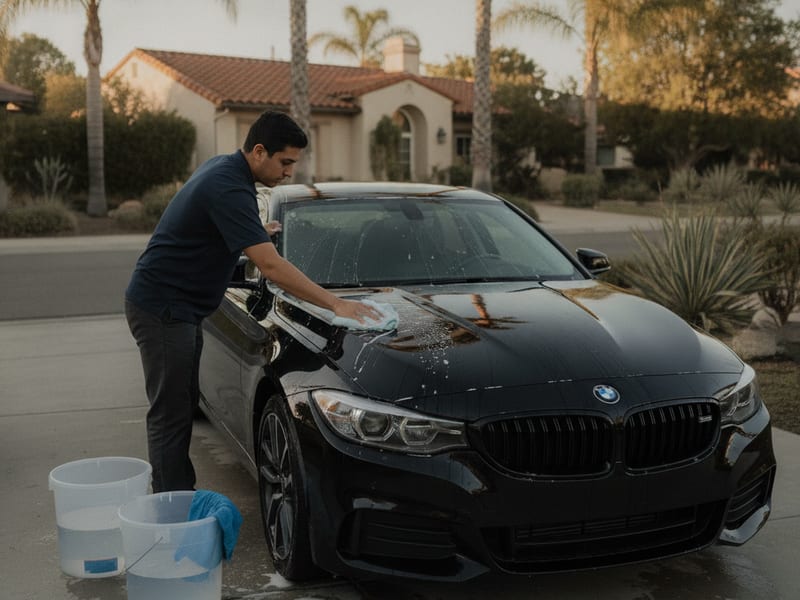
How to wash a ceramic-coated car correctly
A ceramic-coated car still needs washing. Remove loose dirt before touching the paint, use compatible products, and dry the surface so wash water does not leave mineral deposits.
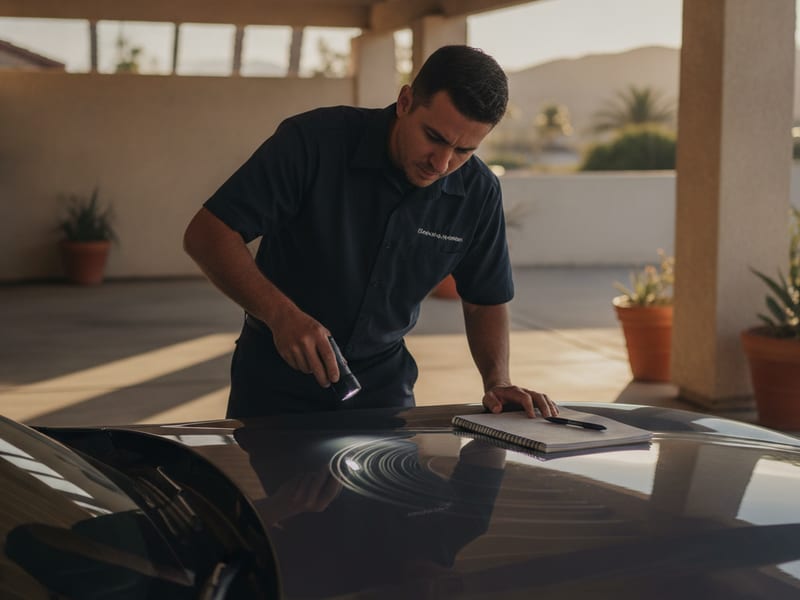
How to inspect PPF for damage
Check clean, dry PPF for lifted edges, discoloration, and impact marks during routine care. Photographs help an installer assess changes without you pulling or heating the film yourself.
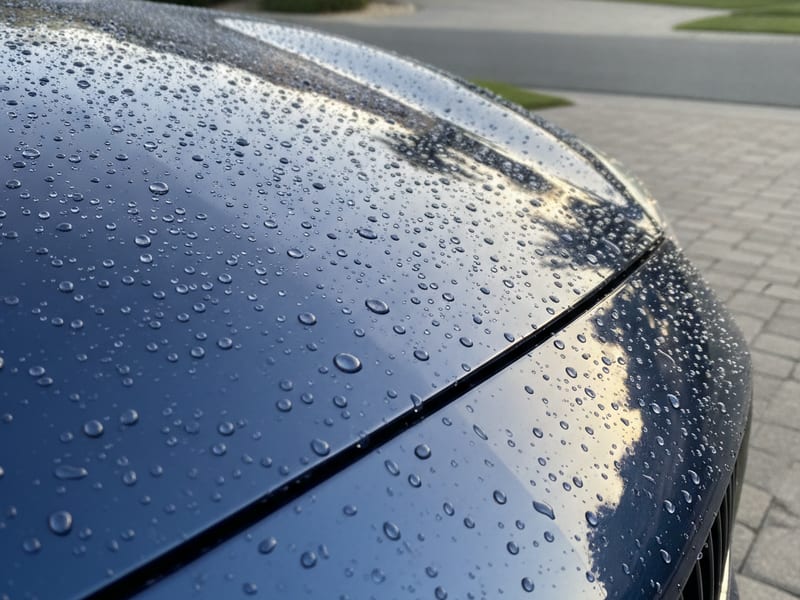
Water spot removal on ceramic-coated cars
Water that dries on a coated car can leave mineral deposits. Start with gentle cleaning and the coating care instructions; persistent marks may need professional assessment before stronger chemicals or polishing.