A full-front PPF package can cover very different surfaces on two vehicles. Body shape determines which panels, edges, trim pieces, and painted accessories need attention.
Why a ‘full front’ means different panels on different vehicles
The phrase “full front” describes a coverage area, not a universal panel list. A sedan, pickup, van, and coupe don’t share the same front-end layout. Even two vehicles in the same class can have different grilles, fenders, lights, and trim.
A typical discussion starts with the front bumper, hood, and front fenders. Mirror caps may also be included. Yet that description leaves several details unresolved. A hood might receive complete coverage or a partial section. A bumper might contain separate painted inserts. Fender flares, splitters, headlights, pillars, and roof edges may sit outside the quoted package.
That’s why the package name shouldn’t drive the decision alone. The written panel list matters more. Our full-front PPF package page explains the broader coverage choice, but your installer must identify the exact surfaces included on your vehicle.
San Diego driving patterns add another layer. Someone commuting along I-5 may prioritize a different exposure area than a driver using I-15, SR-78, or Highway 67. Frequent freeway travel, neighborhood parking, and loading habits are useful details to share with the installer.
Ask the pro to walk around the actual vehicle before finalizing coverage. Photos can help with an early quote, but they don’t always reveal every painted insert or accessory. Your installer should confirm the panel list and written price before work begins.
Trucks and the hood-plus-fender problem
Pickup fronts often combine a broad hood with several separate pieces. The grille, bumper, tow-hook surrounds, headlight trim, and lower valance may use different materials. Only some of those surfaces may be painted.
Fenders also need a closer look. A pickup may have standard painted fenders, separate flares, or an added off-road package. A quote that says “front fenders” doesn’t automatically explain whether those flares are included. It also doesn’t say whether the film reaches the panel edges.
Hood language can create similar confusion. “Hood coverage” might mean the complete hood or only its leading section. If you want protection across the whole panel, the estimate should use clear wording. Don’t rely on the word “full” elsewhere in the package name.
Truck owners should also separate front coverage from bedside and tailgate coverage. A full-front package normally focuses on forward-facing areas. It doesn’t tell you anything about the pickup bed, rear fenders, tailgate, or loading edge. Those surfaces need their own line items if you want them included.
Before booking, identify any aftermarket bumper, hood, flare, scoop, or light assembly. Ask whether the installer can cover it and whether it changes the planned seams. The pro should inspect the finish as well. Film placement depends on the condition and shape of the surface beneath it.
A truck’s size alone doesn’t answer the coverage question. The number and shape of its painted front pieces matter just as much.
Hatchbacks, liftgates, and the panels people forget
A hatchback may share its front structure with a sedan, but the rear is different. The liftgate becomes a large working panel. Cargo passes close to the hatch edge, rear bumper ledge, and surrounding paint.
None of those rear surfaces are automatically part of a full-front package. That distinction matters when comparing full-front and full-body PPF. The first option focuses on forward-facing panels. The second expands the conversation across the vehicle, but it still needs a written panel list.
Hatchback owners often need to ask about the roof’s leading edge, A-pillars, rocker panels, door edges, liftgate lip, and rear loading area. These aren’t promises about what one package includes. They’re surfaces to discuss before accepting a quote.
Spoilers create another detail. Some attach to the liftgate, while others span more than one surface. A roof spoiler, painted antenna cover, or glossy trim piece may be treated separately. Ask the installer to distinguish painted bodywork from glass, textured plastic, and decorative trim.
Small performance hatchbacks can also have complex bumpers. Air openings, sharp corners, and separate painted sections can make a simple package description incomplete. A photo with the included areas marked is more useful than a general label.
If you’re comparing a full-body PPF package, request the same level of detail. Confirm the doors, quarter panels, liftgate, roof, rocker panels, and painted spoiler individually. “Full body” shouldn’t replace a panel-by-panel scope.
Vans, minivans, and sliding-door edges
Vans and minivans bring tall front sections, large side panels, and multiple door openings. Their body shape makes the difference between front protection and side protection especially clear.
For full-front coverage, start by identifying the hood, front bumper, front fenders, and mirror caps. Then look for painted areas around the grille, headlights, and lower bumper. A van’s short hood or upright nose can divide the front into several separate pieces.
Sliding doors fall outside the front of the vehicle, even when their leading edges sit near the front wheel. If those edges matter to you, they need to appear in the scope. The same applies to door handles, rocker panels, lower door sections, and the rear loading threshold.
Minivans also have long painted panels beside tracks and trim. Ask how the installer plans to treat those boundaries. The quote should say whether coverage stops at a trim line, wraps an accessible edge, or leaves a visible seam.
For passenger vans and work vans, describe how the vehicle is used. A family minivan driven around Chula Vista has different loading routines than a work van traveling between San Marcos and Escondido. The installer can then explain which additional surfaces fit your priorities.
Don’t assume a full-body label settles every question. Confirm the roof, rear doors or liftgate, sliding doors, rocker panels, pillars, and painted trim. Large areas may still contain excluded materials or accessories. Your written quote should separate those exclusions from the covered paint.
Coupes and low front ends
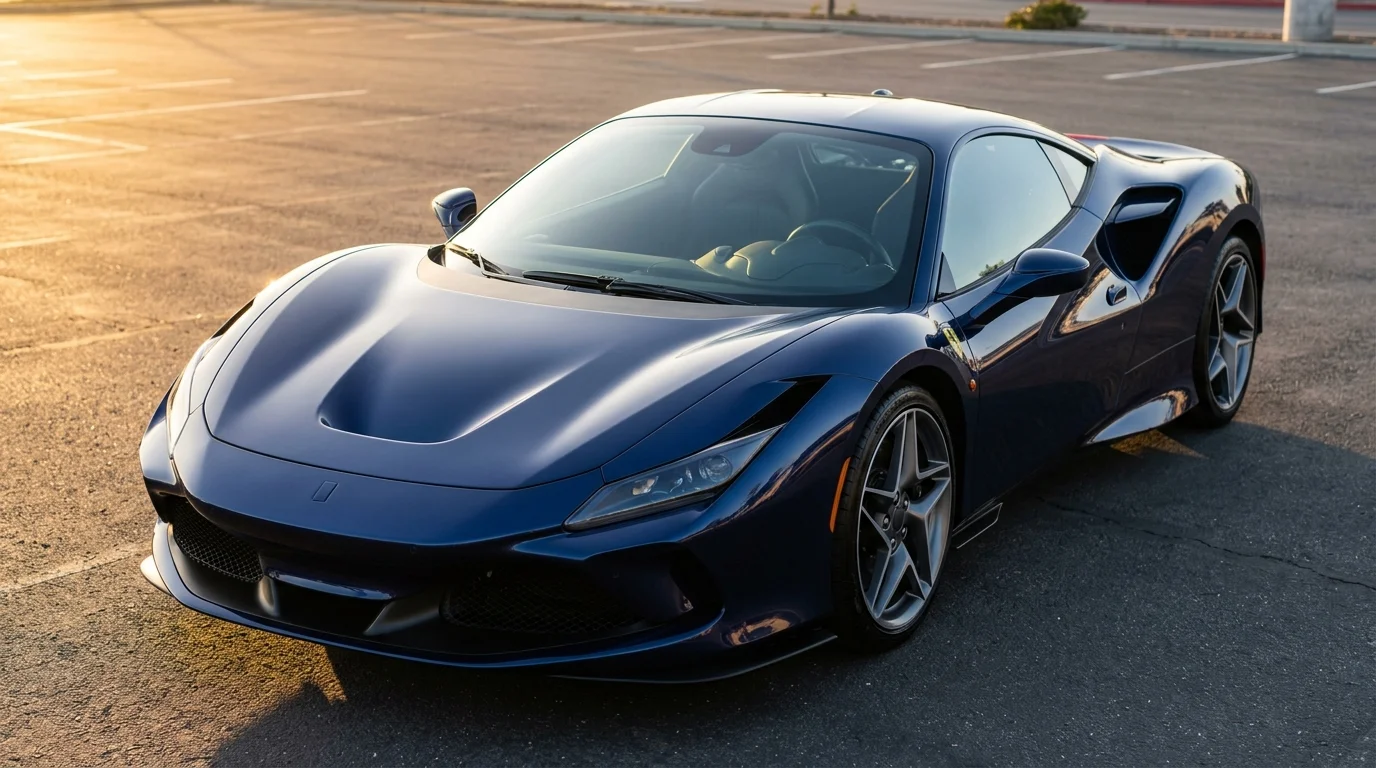
Coupes often place more painted bodywork close to the road. A low bumper, front lip, wide fenders, and long hood can create several distinct coverage decisions.
Start with the bumper. Ask whether its lower painted sections are included. A splitter or lip may be a separate component, particularly when it was added after the vehicle left the factory. The installer needs to see that part before confirming coverage.
Next, define the hood and fenders. “Partial hood” and “full hood” describe different scopes. The same applies to fenders. If a coupe has wide arches or separate trim near the wheel opening, ask the pro to mark where the film ends.
A coupe’s long doors and rear quarter panels aren’t part of full-front coverage. Neither are the rocker panels unless they’re named. Those areas may matter if you’re deciding between a focused package and broader protection.
Mirror caps, headlights, A-pillars, and the roof’s leading edge also deserve separate answers. Don’t assume they’re included because the package is marketed as complete. Have each surface added to the written panel list or identified as an exclusion.
This is also where vehicle size can mislead buyers. A coupe may be smaller than an SUV, yet its front can contain intricate curves and added pieces. Compare the actual scope, not the body class alone. Your installer confirms the written price after reviewing the vehicle and selected coverage.
How to get the panel list in writing before you book
A useful PPF quote should read like a coverage map. It should name each included panel and explain any partial coverage. It should also identify excluded trim, accessories, or damaged surfaces.
Ask for these points in plain language:
- Every panel receiving film
- Full or partial coverage on the hood and fenders
- Treatment of mirror caps, headlights, pillars, and roof edges
- Coverage for flares, splitters, spoilers, and painted inserts
- Planned seams and accessible edge wrapping
- Surface preparation included in the quote
- The written price and payment terms
- The film warranty supplied by the installer
Photos with marked coverage areas can support that list. Save the final version with the written quote. If the scope changes after an in-person inspection, ask for the updated terms before approving the work.
Tell the installer where and how you drive. Mention regular I-5 commuting, inland travel on I-15, trips through East County, street parking, cargo loading, or frequent use of sliding doors. Those details help frame the coverage discussion without turning the package name into a guess.
If a factory warranty concern affects your decision, the FTC is the federal authority to consult. A manufacturer generally can’t void a warranty merely because an aftermarket product was used, absent a showing that the product caused the failure. Any specific dispute depends on its facts, so don’t treat a general rule as advice about your vehicle.
Paint Shield SD matches car owners with vetted, insured local installers. You contract with and pay the selected pro directly. That pro confirms the vehicle inspection, exact panel scope, written price, and film warranty.
When to call us
Call when you need help comparing PPF coverage for a truck, hatchback, van, minivan, or coupe. We’ll match you with a vetted, insured local pro who can inspect the vehicle and put the panel list in writing. Call us at (760) 400-6557 and we’ll connect you with a vetted, insured local pro.