Choosing between partial-front and full-front PPF comes down to boundaries. Partial coverage costs less material and labor, but it places film edges across painted panels. Full-front coverage moves those boundaries toward panel edges and covers more of the car’s nose.
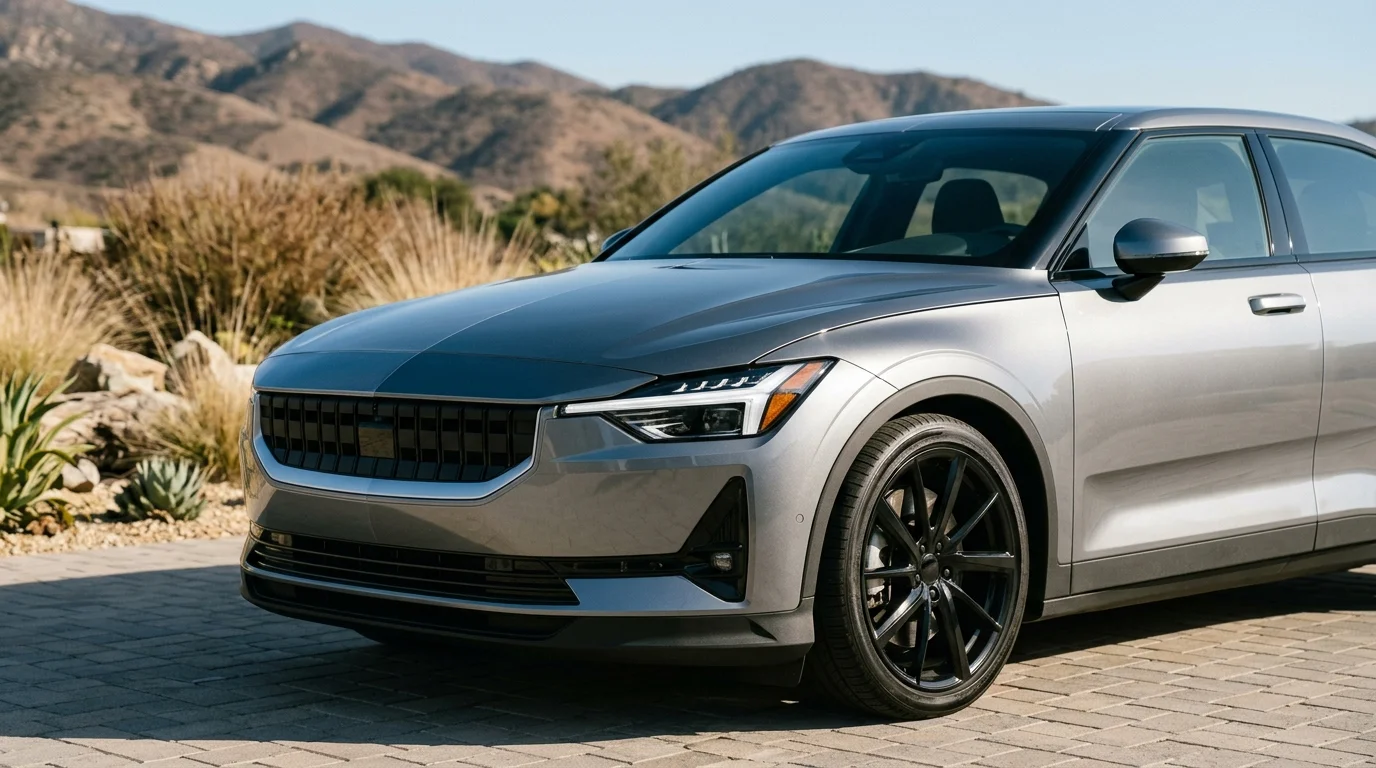
Which panels each coverage option includes
Package names aren’t universal. Two installers may use “partial front” for different panel combinations. The written panel list matters more than the package name.
Partial-front PPF coverage commonly includes the front bumper and forward sections of the hood and front fenders. The film may stop partway up the hood and across each fender. Mirrors, headlights, painted grille pieces, and other small areas may be separate choices.
Full-front PPF coverage usually includes the complete front bumper, full hood, and full front fenders. That layout moves the hood and fender boundaries to their panel edges. Some installers may include mirrors or headlights, while others quote them separately. Ask before comparing totals.
Start by checking three details:
- Does “partial” describe both the hood and fenders?
- Does “full front” include every painted piece around the grille?
- Are mirrors, headlights, and lower trim included or optional?
A full-front PPF package is still different from covering the whole vehicle. The doors, roof, rear quarters, and rear bumper usually remain outside this comparison. If you’re considering those areas, read the separate guide to full-front versus full-body PPF.
Don’t compare proposals by package title alone. Put the panel lists beside each other. One proposal may cover more pieces even when both installers use the same label.
Where partial coverage can leave a visible boundary
Partial coverage needs a stopping point on the hood and fenders. That boundary sits across the face of each panel. It may be noticeable under certain lighting, viewing angles, or surface conditions.
A dark hood viewed in direct San Diego sun can reveal details differently than the same hood inside a garage. Dust, water residue, and product buildup near a film edge can also make that boundary easier to spot. Regular cleaning matters, but an installer shouldn’t promise an invisible seam.
Boundary placement deserves close attention on the hood. A higher stopping line covers more painted surface, yet it still leaves a line across the panel. A lower line uses less film but leaves more uncovered paint above it. Ask the installer to mark the proposed location on a photo or diagram.
The fender boundary can be less obvious on some vehicles. Strong body creases or changes in panel shape may give the film a natural-looking stopping area. Flat, open fenders provide fewer visual breaks. The exact result depends on the vehicle.
Color and finish also affect the decision. Don’t rely only on distant photos from another car. Ask to see a comparable boundary up close, preferably on a vehicle with similar paint.
Full-front coverage avoids a mid-hood and mid-fender stopping line by covering those complete panels. Film edges still exist around the covered area. Their location and treatment should be discussed before installation.
How vehicle shape and paint condition affect the choice
Vehicle shape changes where partial coverage ends. A low sports car, upright SUV, and pickup don’t divide neatly at the same visual points. Their hoods, fenders, grilles, and painted trim have different proportions.
A short hood may leave little space for a partial boundary. A long hood gives the installer more placement choices, but those choices may look different from the driver’s seat. Sculpted fenders can also create several possible stopping lines. The installer should show which contour the film will follow.
Body style matters too. Our guide to PPF coverage by body type explains how panel layouts change across sedans, SUVs, trucks, sports cars, and electric vehicles. Use that information to prepare questions, then confirm the exact coverage on your vehicle.
Paint condition needs an in-person review. Existing chips, scratches, repainted areas, and uneven finishes can affect the recommended preparation and finished appearance. Film shouldn’t be treated as a substitute for inspecting what’s already underneath it.
Ask the installer to review the paint in clear light. The quote should identify any preparation that’s included and any separate work being recommended. If correction is suggested, request a plain explanation of the affected area and intended result.
The vehicle’s front-end construction also deserves attention. Cameras, sensors, badges, vents, trim, and complex bumper openings can influence the installation plan. Don’t assume they’re handled identically across every package. The written scope should explain what happens around those features.
When full-front coverage may fit the driving pattern
Driving pattern often matters more than annual mileage alone. Think about where the vehicle goes, how often it uses faster roads, and which front surfaces concern you most.
A driver commuting on I-5 from Chula Vista toward central San Diego faces a different routine from someone making shorter neighborhood trips. Regular travel on I-15, SR-52, SR-67, or SR-78 also keeps the vehicle’s nose exposed during sustained road use. Weekend drives through East County may add another pattern entirely.
That doesn’t mean every freeway driver needs full-front coverage. It means the choice should reflect actual use. Partial coverage may fit a driver focused on the bumper and leading edges. Full-front coverage may fit someone who wants the hood and fenders included without mid-panel boundaries.
Consider these questions:
- How often does the vehicle use San Diego County freeways?
- Is the hood shape a large part of the exposed front end?
- Would a visible hood boundary bother you?
- Is the vehicle kept long enough to justify broader coverage?
- Are you protecting a daily driver, weekend car, or work vehicle?
Neither package should be presented as preventing every impact. The useful comparison is coverage, not certainty. A larger package covers more painted area, while a smaller package accepts clear stopping points.
If you remain unsure, ask for both layouts on the same vehicle diagram. Seeing the uncovered areas makes the tradeoff easier to judge. It also keeps the decision focused on your car instead of a generic package label.
What the coverage diagram and quote should show
A useful quote should make the coverage boundaries impossible to misunderstand. Request a written panel list and a marked diagram or photo. Spoken descriptions are easy to interpret differently.
The document should identify:
- Every fully covered panel
- Every partially covered panel
- The stopping point on each partial panel
- Whether mirrors and headlights are included
- How badges, sensors, vents, and trim are handled
- What surface preparation is included
- The written price and any optional areas
- Film and workmanship warranty terms
- Care instructions after installation
Look closely at words such as “hood,” “fenders,” and “front end.” The quote should say whether each panel receives full or partial coverage. “Front package” alone doesn’t answer that question.
Ask the installer to identify film edges that will remain visible. Also ask which edges can follow panel gaps or contours. This conversation helps set expectations before any material reaches the car.
Your installer should confirm the film warranty in writing. For a separate factory-warranty concern, the FTC explains that a manufacturer generally can’t void a warranty merely because an aftermarket product was used, absent a showing that it caused the failure. That general rule isn’t advice about a specific warranty dispute.
Paint Shield SD doesn’t install film or issue the workmanship warranty. We match car owners with vetted, insured independent installers. You’ll contract with and pay the selected pro directly.
For a broader explanation of the material and available coverage, visit our paint protection film guide. Bring the vehicle details, photos, and preferred coverage boundaries when requesting a quote.
When to call us
Call when you need a professional to inspect the paint, compare boundaries, or prepare a written PPF scope. We’ll help you find an independent installer who can assess the vehicle and explain both options.
Call us at (760) 400-6557 and we’ll connect you with a vetted, insured local pro.