A full car protection package should define four layers: paint preparation, PPF coverage, ceramic coating, and selected add-ons. The right combination depends on where you drive, park, and keep the car.
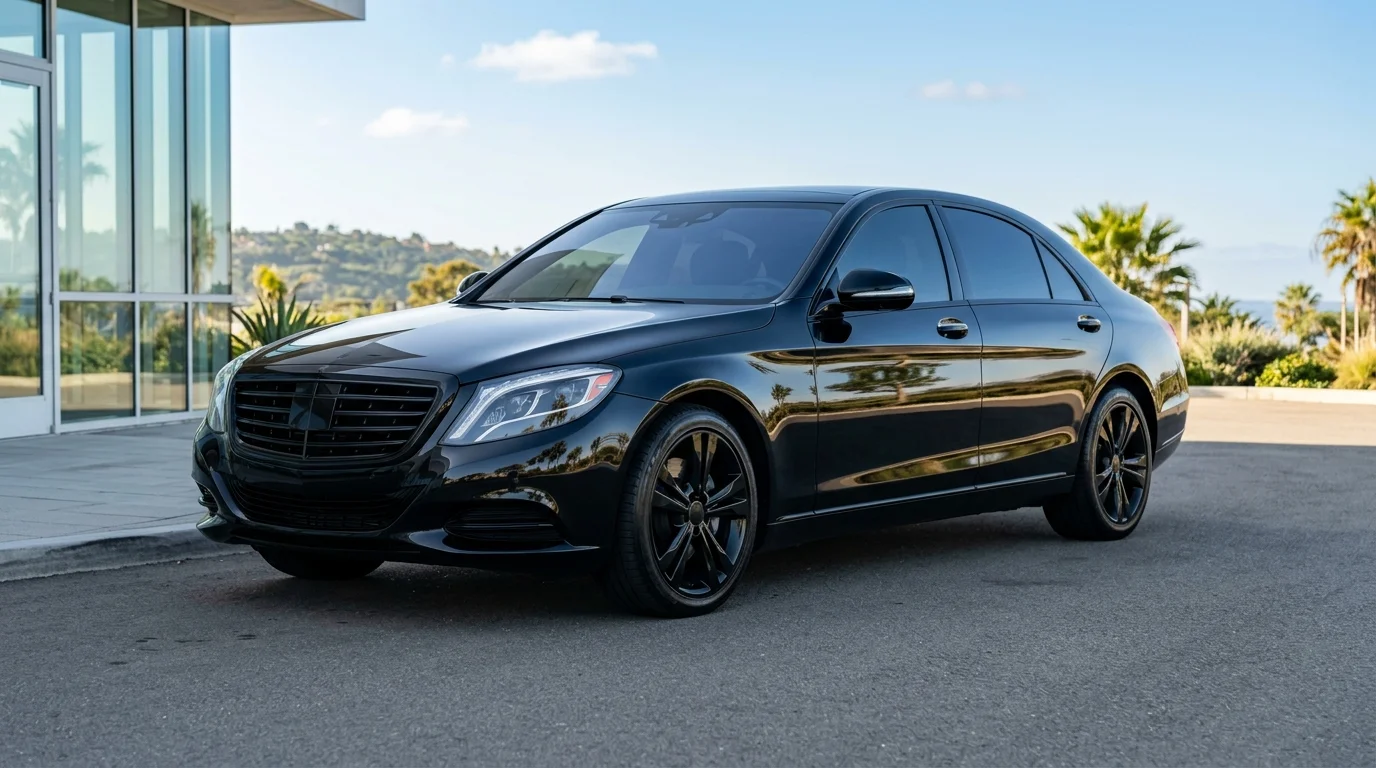
The four things a protection package usually bundles
“Full protection” isn’t a standardized service name. One installer may mean full-body film. Another may mean front-end film, coating, and tint. The written scope matters more than the package label.
A useful package separates the work into four parts:
-
Surface preparation. The installer inspects the paint and lists the preparation included. That may involve detailing or paint correction, depending on the vehicle’s condition. Don’t assume correction is included because the car looks clean.
-
Paint protection film coverage. The quote should name each covered panel. Common choices range from selected front panels to full-body coverage. Compare the actual panel list, not terms such as “premium” or “complete.”
-
Ceramic coating coverage. The scope should identify whether coating goes on exposed paint, film, trim, or other surfaces. It should also name the product tier and written warranty offered by the installer.
-
Selected add-ons. Tint, wheels, calipers, glass, and interior surfaces should appear as separate line items. That makes optional work easier to compare or remove.
A new car protection package can combine these services under one planned scope. It shouldn’t hide what each part covers.
Your San Diego routine should shape that scope. A commuter using I-15 and SR-78 may prioritize front-panel film. Someone parking in Little Italy or Pacific Beach may care about door edges and loading areas. A Coronado weekend car may need a different plan than a daily driver moving between Chula Vista and Kearny Mesa.
Where film goes and where coating goes
PPF and ceramic coating serve different parts of a package. Film is a physical layer placed over selected panels. Ceramic coating is applied to approved surfaces after the required preparation.
Start by mapping film coverage panel by panel. A quote might include the bumper but exclude the hood. It might cover mirror caps while leaving headlights separate. “Full front” and “full body” still need written definitions.
The main coverage choices usually follow three shapes:
- Selected areas, such as a bumper, door edge, or loading ledge
- A front-end package with specifically named panels
- Full-body coverage with every included and excluded surface listed
The installer should also identify seams, edges, badges, and trim treatment. Those details affect the finished scope. They shouldn’t be left to assumptions made after drop-off.
Coating usually fills the uncovered parts of the plan. An installer may propose coating for exposed paint and discuss whether it’s compatible with the selected film. Ask for that compatibility in writing. The quote should also say whether trim, wheels, or glass are included.
San Diego drivers don’t all face the same parking and travel patterns. I-5 coastal driving, I-805 commuting, and SR-125 travel put different panels in regular use. Road choice alone doesn’t determine coverage, but it helps frame the conversation.
If you’re choosing between wider film coverage and more coating coverage, compare full-front and full-body PPF before approving the package. For exposed painted surfaces, review the separate ceramic coating service scope too.
Wheels, glass, and interior as add-ons
Add-ons should solve a specific concern. They shouldn’t appear as unexplained upgrades at the bottom of a quote.
Wheel and caliper coating needs its own surface list. Confirm whether the work covers wheel faces, barrels, calipers, or only selected parts. The installer should also state the required preparation. Our wheel and caliper coating guide shows the questions to carry into that conversation.
“Glass protection” can mean several different things. It might refer to window tint, a coating applied to named glass surfaces, or a separate chip repair service. Ask the installer to identify the product and every treated window. Paint Shield SD couldn’t confirm a publishable performance percentage or broad glass-coating price range. Your installer sets the scope and confirms the written price.
Tint can reduce interior heat, glare, and UV exposure. California rules depend on window position. Under California Vehicle Code 26708, aftermarket film on front side windows must have at least 88 percent visible light transmittance. The combined glazing and film must meet the federal 70 percent minimum. Other positions have separate rules and conditions, so ask the installer to document the film planned for each window.
Review the dedicated window tinting service before combining tint with paint protection.
Interior coating is another separate scope. The quote should identify the surfaces being treated, such as approved upholstery or trim. Don’t accept “complete interior” without a surface list.
Windshield chip repair is also separate from coating. This network refers repair only, not windshield replacement. A technician determines whether damage is repairable based on its size, depth, and location.
What a package should cost and what drives it
There isn’t one verified price for a full car protection package. Coverage varies too much for one total to mean anything. Paint condition, vehicle size, selected surfaces, and product tier can all change the written quote.
Approved broad market ranges for individual services are:
- Ceramic coating: $500 to $3,000
- Paint protection film: $800 to $8,000
- Window tint: $300 to $700
- Wheel and caliper coating: $300 to $700
For tint, approved ranges are $300 to $500 for a sedan and $400 to $700 for an SUV. Your installer confirms the written price for every service.
Don’t add those ranges together and call the result a package estimate. A quote near one end of a range may cover a different vehicle, preparation level, or surface list. Interior and glass-coating ranges couldn’t be confirmed from the approved claims available for this site. Ask the installer to price those items separately.
A useful quote explains the cost drivers beside each line. Look for:
- The vehicle and body style
- Every film-covered panel
- Every coating-covered surface
- Paint preparation included before application
- Tint coverage and film specification
- Wheel, caliper, glass, and interior scope
- Product tier and written warranty
- Total price and approval process for changes
Location can also affect how the appointment is planned. A car stored in Oceanside may have different access conditions than one parked at a Downtown San Diego workplace. Ask whether the pro needs a shop appointment or can discuss another service setup. Don’t assume mobile availability for coating, film, tint, dent, or glass work.
Questions that separate a real package from a markup
A real package is specific enough to compare against another written quote. A vague bundle leaves too many decisions until the car is already with the installer.
Ask these questions before approving the work:
- Which exact panels receive PPF?
- Which surfaces receive ceramic coating?
- What preparation is included?
- Is paint correction included or quoted separately?
- Are headlights, door edges, pillars, and loading areas included?
- What tint goes on each window position?
- Are wheel faces, barrels, and calipers separate?
- Which glass and interior surfaces receive treatment?
- What product tier will the installer use?
- What written product or workmanship warranty applies?
- What maintenance does the installer require?
- How are scope or price changes approved?
The answers should appear in writing. A photo, diagram, or marked panel list can help when package names differ between installers.
Insurance and accountability matter too. Paint Shield SD matches car owners with vetted, insured local installers. The owner contracts with and pays the selected pro directly. California doesn’t issue a CSLB contractor license for automotive detailing, coating, tint, wrap, dent, or glass repair referral work, so a contractor license number isn’t the right proof for these services.
If a seller says aftermarket protection will automatically void the vehicle warranty, ask for the basis in writing. The federal Magnuson-Moss Warranty Act is the relevant authority. As the FTC explains, a manufacturer generally cannot void a warranty merely because an aftermarket product was used, absent a showing that the product caused the failure. Causation is fact-specific, so don’t treat that general rule as advice about a particular dispute.
Most importantly, don’t buy the word “full.” Buy the documented coverage. A clear panel list, surface list, price, product tier, and warranty tell you what the package actually contains.
When to call us
Call when you need help comparing film, coating, tint, and add-ons under one written scope. Paint Shield SD performs no physical work, but we’ll match you with a vetted, insured local pro.
Call us at (760) 400-6557 and we’ll connect you with a vetted, insured local pro.