Paintless dent removal uses small, controlled pushes or pulls to reshape a metal panel without refinishing it. A DIY kit may improve a shallow ding with intact paint. It can also create raised areas, stretched metal, or paint damage.
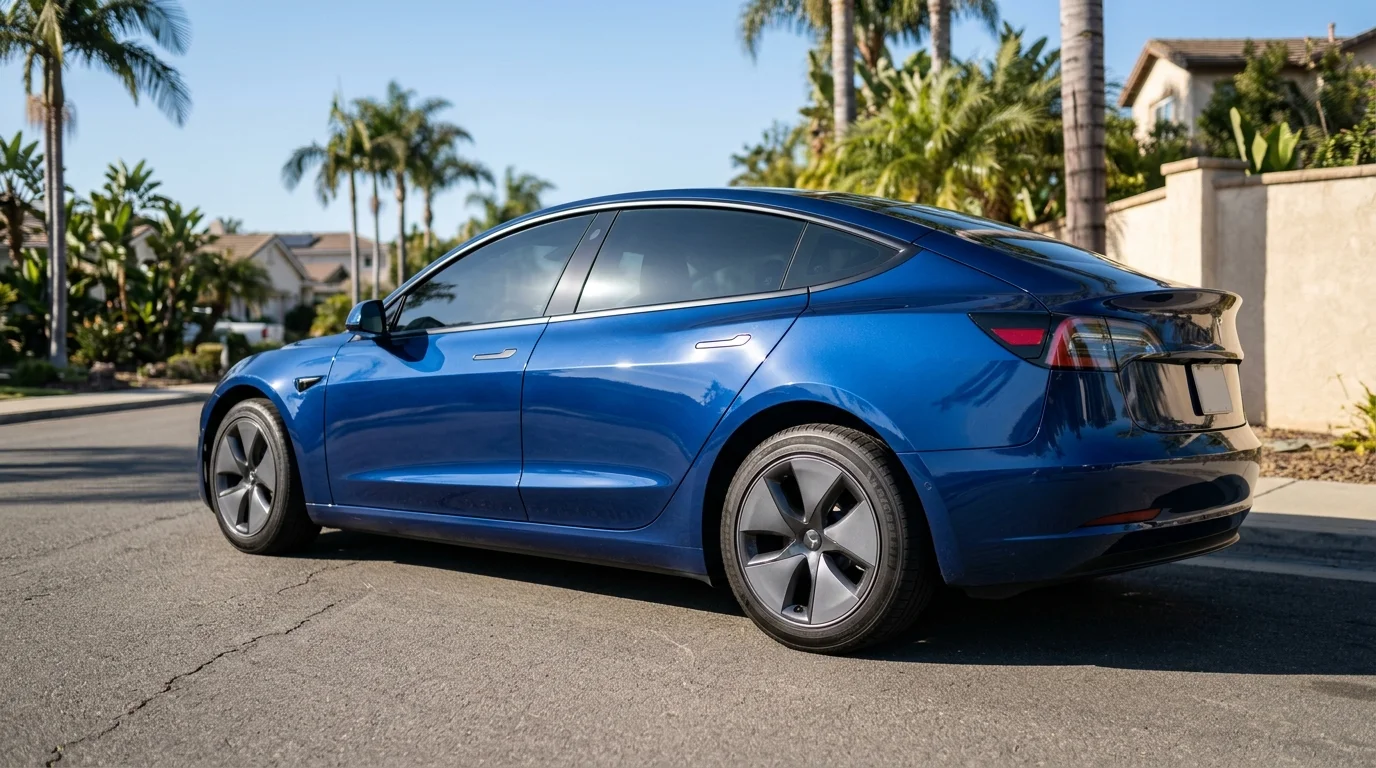
What glue-pullers and suction kits actually do
Professional paintless dent repair starts with an inspection. The pro checks whether the paint is intact and the metal is accessible. Cracked paint, stretched metal, and plastic bumper scuffs usually need another repair method.
With access behind the panel, a technician can make gradual pushes against the low area. A reflection light or board shows small changes in the panel. The goal isn’t one hard push. It’s a series of measured corrections while watching the surrounding metal.
Glue-pullers approach the dent from the painted side. A tab is attached near the low area, then lifted with a pulling tool. Different tab shapes concentrate the pull in different places. Pulling too much at once can move the low spot past level.
Suction kits spread force across a wider area. They’re less precise than a small glue tab. A cup may move a broad, shallow depression, but it can’t read the metal or control a tight section by itself.
The basic PDR process looks simple:
- Clean the panel and inspect the paint.
- Use a reflected line to locate the dent’s low and high areas.
- Confirm whether the back of the metal is accessible.
- Apply one small push or pull.
- Recheck the panel from several angles before continuing.
The difficult part is deciding where to apply pressure. Each adjustment changes the low spot and the surrounding metal. That’s why repeatedly pulling the center rarely produces a finished panel.
The small ding where a kit sometimes works
A DIY kit has its best chance on a shallow metal ding with intact paint. The panel should also have enough open space around the damage for a controlled pull. Even then, improvement is more realistic than an invisible repair.
Start by looking across the panel instead of directly at it. Reflections from a garage opening or straight light can reveal the dent’s shape. A round low spot may have raised metal around its edge. That raised area matters as much as the center.
Next, inspect the finish closely. A chip, crack, or split in the paint changes the repair decision. Pulling on damaged paint may leave a larger finish problem. Don’t treat a plastic bumper scuff as a small metal door ding. The materials and repair methods aren’t the same.
Location also affects the decision. Damage near a panel edge, a sharp contour, or tightly formed metal deserves an in-person assessment. Access behind the dent matters when a pro needs to make controlled pushes.
San Diego parking damage comes in many settings. A shallow door ding from a Chula Vista shopping lot isn’t the same as a complex crease along a body line. A dent found in an Oceanside driveway may also look different after the panel is cleaned and viewed indoors.
Use the checklist in our PDR candidate guide before attaching anything. Stop if the paint isn’t intact, the metal appears stretched, or the damage crosses a complex contour. A local pro can then assess whether PDR still fits.
How a kit turns one dent into a crown
A crown is a raised area beside or around a dent. It may have formed during the original impact. It can also become more noticeable after an uncontrolled DIY pull.
Picture the dent as a low area surrounded by metal under tension. Pulling only the deepest point doesn’t automatically release that tension. The center may rise while the perimeter stays high. The result can be a smaller low spot surrounded by a visible ridge.
Reflection lines make this easier to see. A straight reflected line bends inward over a low area and outward over a high one. After every adjustment, move your viewing angle and check the entire repair area. Don’t judge progress by touch alone.
A glue tab that’s too large can affect more metal than intended. Repeated pulls in one location can also create a high spot. Once the surface rises above the surrounding panel, another center pull won’t solve it.
Stop if the reflected line becomes more distorted, a new ridge appears, or progress stalls. Continuing without a clear plan can stretch the metal or damage the paint. Those conditions may take the panel outside the normal limits of PDR.
Don’t strike a newly created high spot with an improvised hard tool. Professional PDR involves controlled corrections based on what the reflected lines show. A random impact adds another variable to an already changed panel.
If your first pull improved the center but exposed a crown, leave the tab off. Photograph the panel from several angles and let a pro inspect it. Your pro can determine whether measured PDR corrections remain appropriate or conventional repair now fits better.
Heat guns, dry ice, and the clear coat
Online dent-removal advice often pairs heat with suction or rapid cooling. The missing detail is a verified procedure for your exact panel and paint. Paint Shield SD couldn’t confirm one universal temperature, distance, or timing rule that protects every factory or refinished finish.
That uncertainty matters in San Diego County. A panel parked outside in El Cajon may begin much warmer than one inside a coastal Encinitas garage. Applying the same heating routine to both cars doesn’t create the same starting conditions.
A heat gun concentrates heat in a small area. Holding it too close or lingering in one spot can change the appearance or texture of the finish. Dry ice creates rapid cooling, but that doesn’t guarantee the metal will return to its original shape.
Don’t assume heat makes every dent flexible or repairable. Cracked paint, stretched metal, and plastic bumper scuffs still point toward conventional repair and refinishing. Temperature changes don’t turn them into PDR candidates.
If the clear coat becomes cloudy, blistered, rough, or discolored, stop. Don’t add compounds or aggressive polishing before the dent is assessed. That can make it harder to identify which marks came from the impact and which came from the attempt.
Some remaining surface defects may lead to a separate paint correction assessment. Paint correction isn’t a substitute for body repair or refinishing when paint has cracked or failed. The matched pro should inspect the finish and explain which service, if any, fits after the dent decision.
What a botched DIY attempt costs to undo
There isn’t one verified price for reversing a DIY dent attempt. The amount depends on the panel’s current condition and the repair method the pro recommends. Ask for a written quote after sharing clear photos or arranging an in-person inspection.
Approved broad market ranges provide some context. Single door dings typically run from $75 to $350 for paintless dent repair. Larger or multiple dents typically run from $300 to $900. Your pro confirms the written price for the actual panel.
Those ranges describe PDR candidates. Conventional bumper or scratch work is quoted after photos or an in-person look. A cracked finish, stretched area, or plastic scuff may require that different path.
The real financial risk isn’t merely buying a kit that does nothing. It’s changing an eligible dent into damage that no longer fits PDR. A hard pull can produce a high spot. Excessive force may stretch the metal. Glue or uncontrolled heat may also leave finish damage.
Document the original condition before trying anything. Take photos from the front, both sides, and across reflected light. If you make one controlled attempt, photograph the result before making another. That gives the pro a clearer view of what changed.
Don’t hide a previous pull, heating attempt, or paint reaction when requesting a quote. The repairer needs that information to choose a method. Ask whether the proposed work is PDR, conventional repair, refinishing, or a combination.
Many body repair pros work with insurance claims, but participation and coverage aren’t guaranteed. Ask the individual pro how they handle claims before authorizing work. The car owner contracts with and pays the independent pro directly.
When to call us
Stop and request an assessment when the paint is cracked, the metal looks stretched, or a pull creates a crown. If you’re considering Ceramic Coating or Paint Protection Film afterward, ask the matched pro which work should come first. Call us at (760) 400-6557 and we’ll connect you with a vetted, insured local pro.